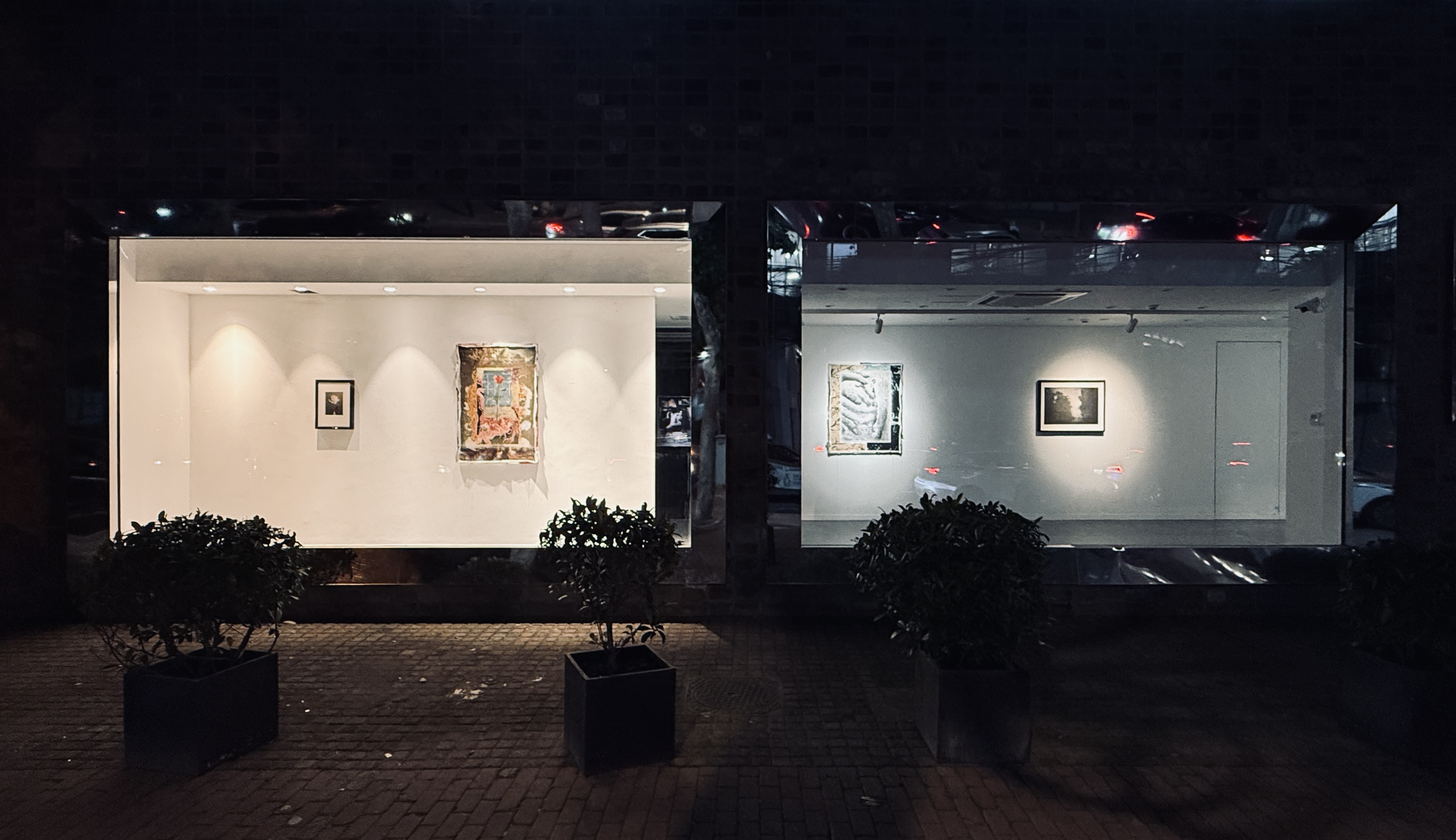
Jamais Vu
Chao Xu
Hedda Roman
Apr 30 – Jun 21, 2026
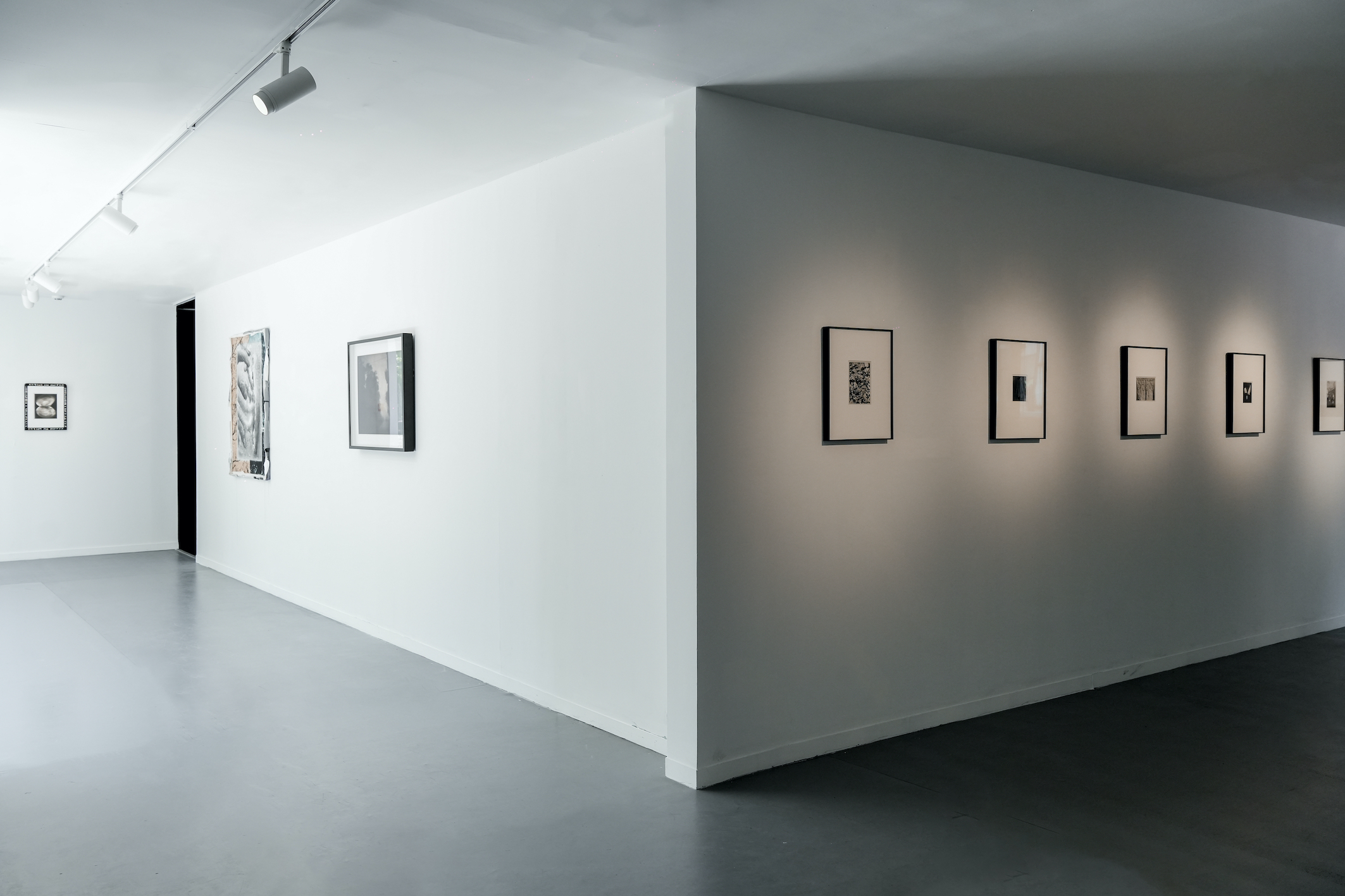
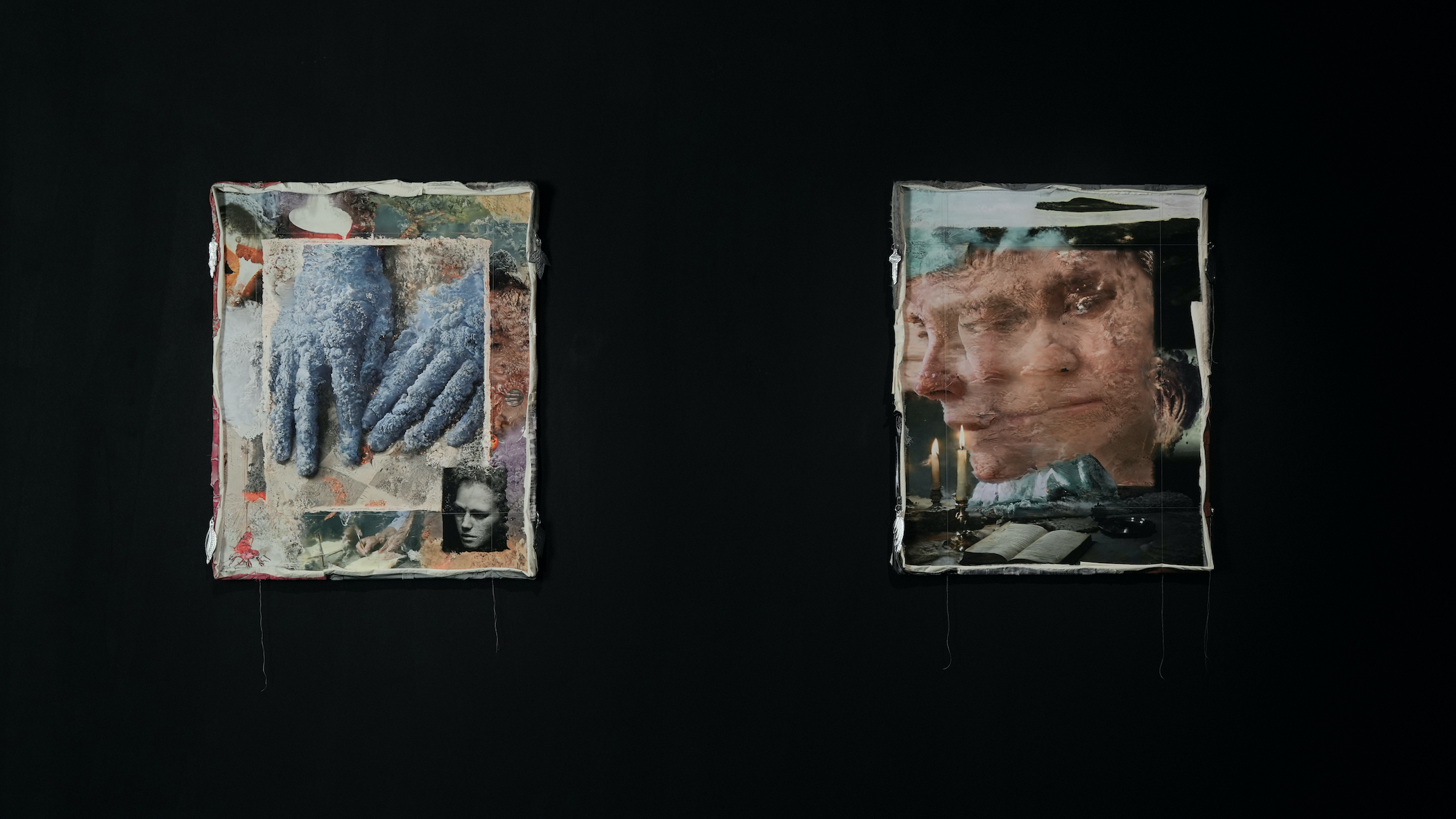
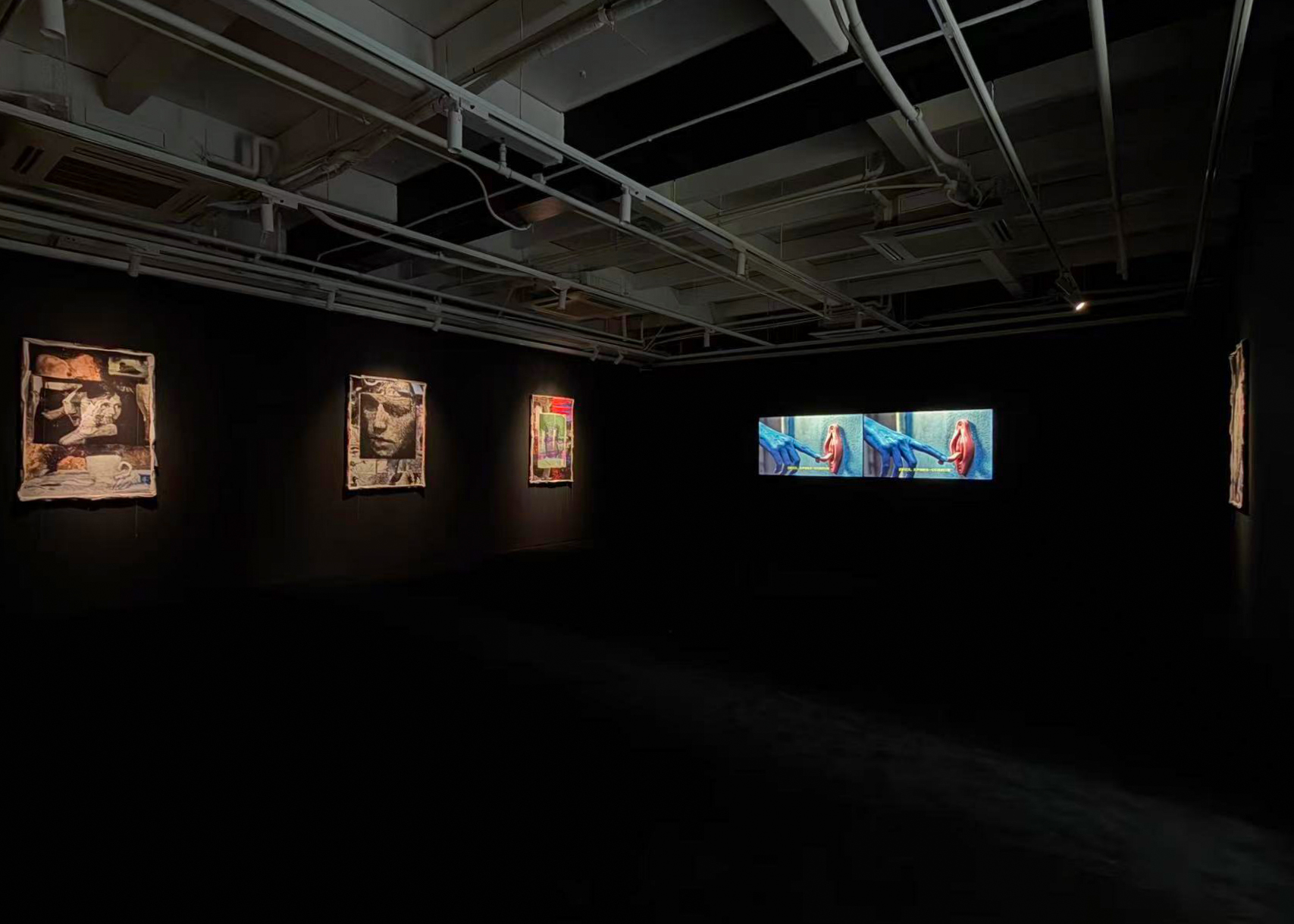
Two distinctly different paths of imagery meet within a viewing experience that feels "slightly off."
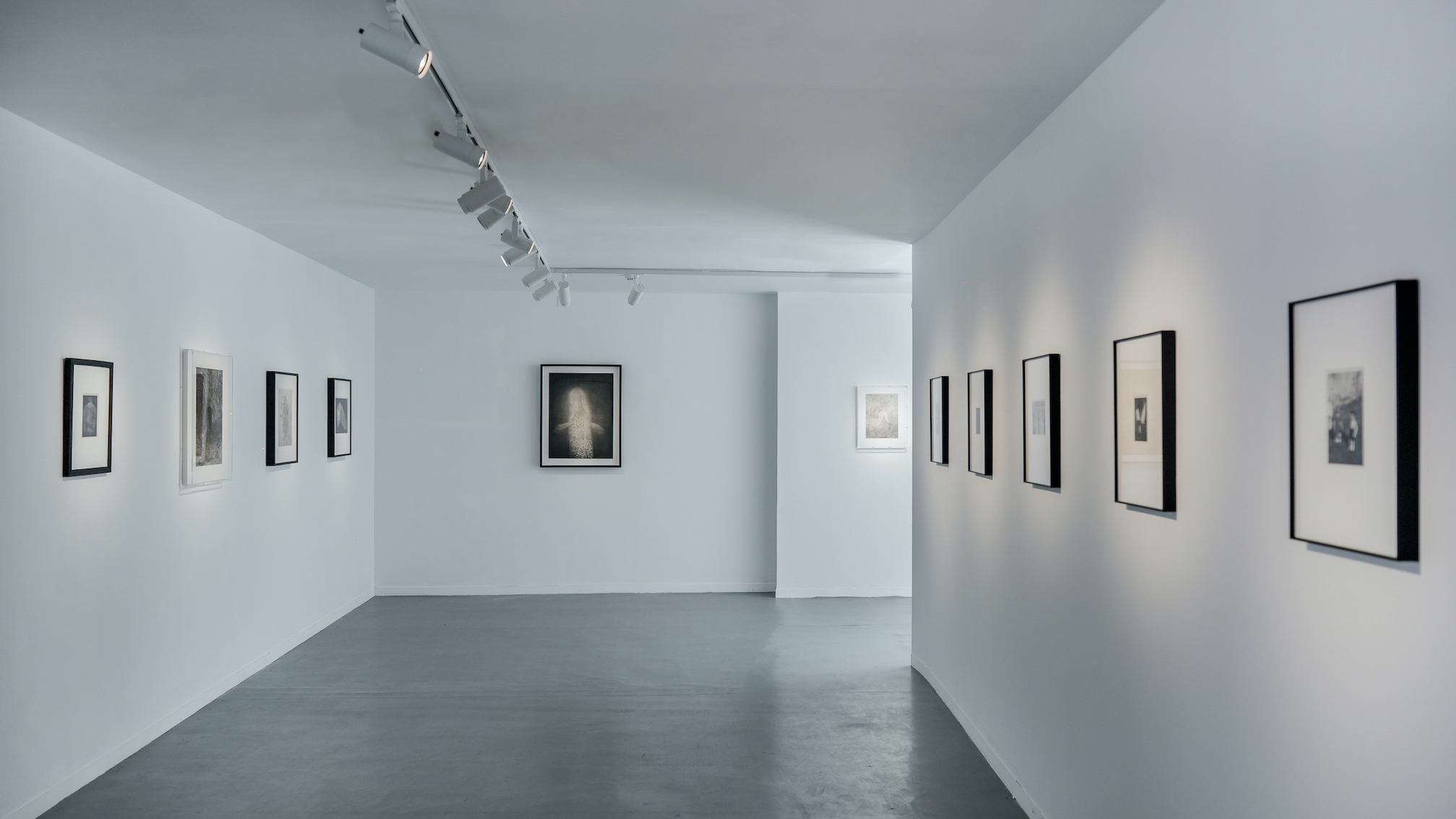
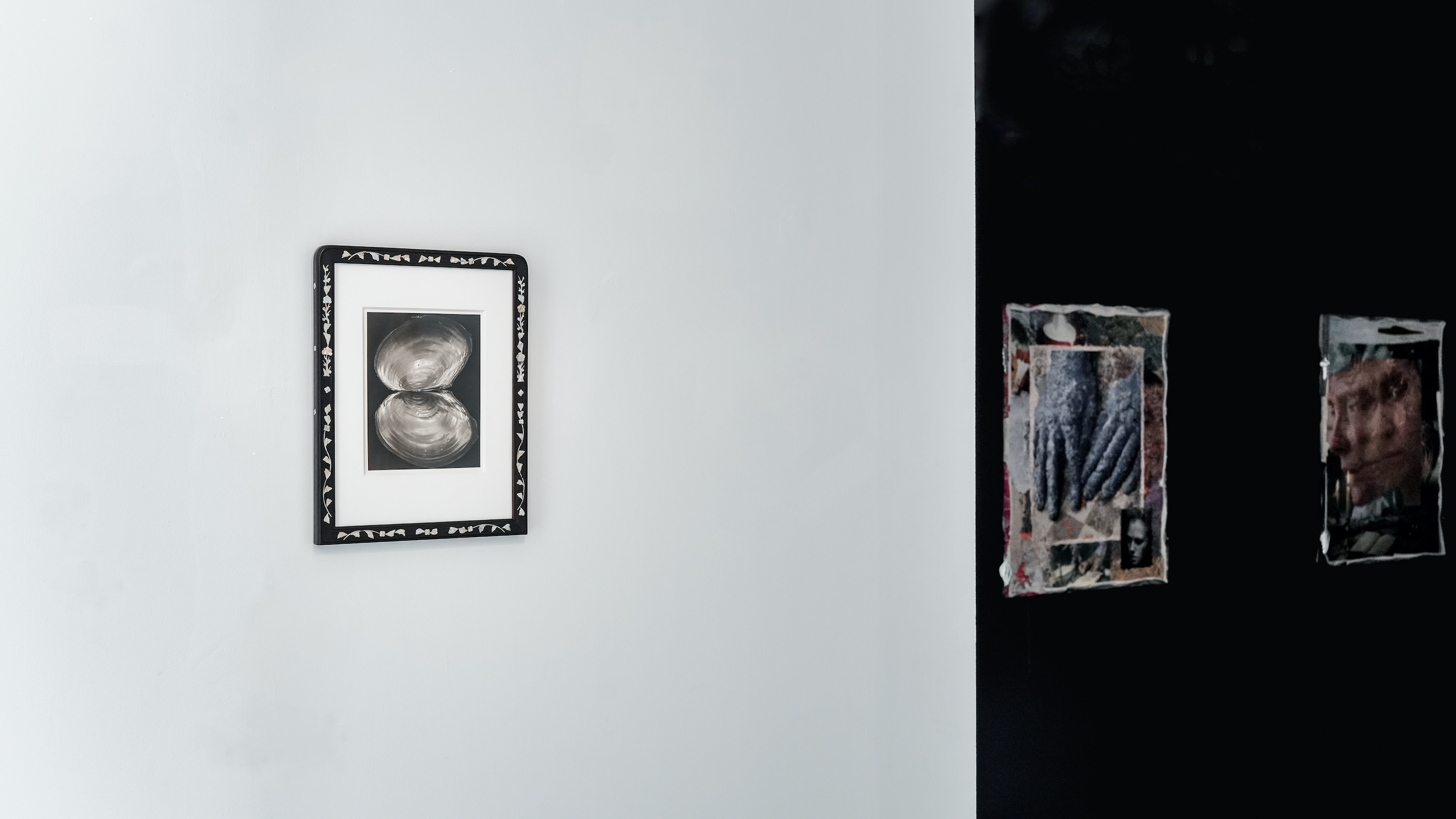
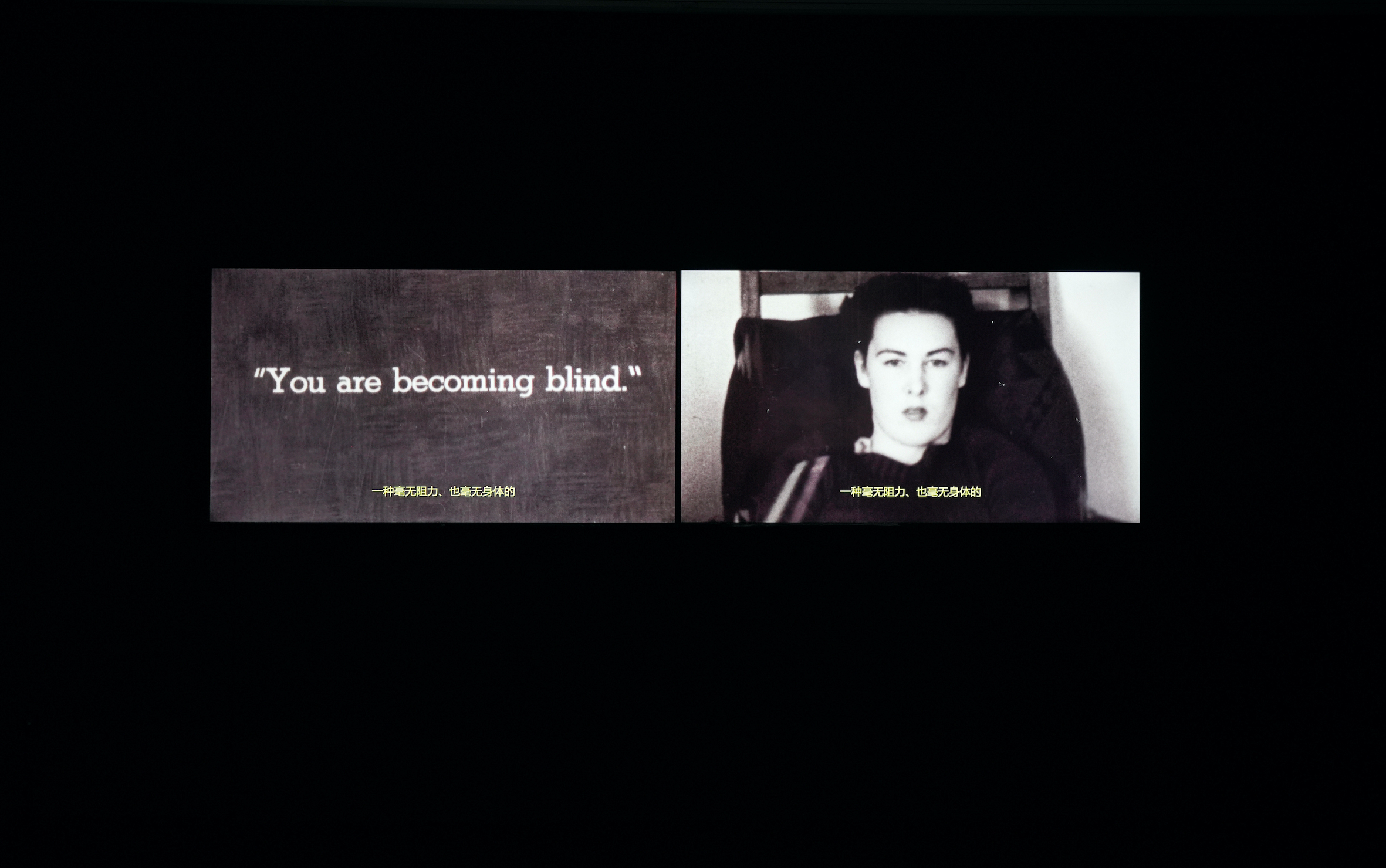
Hedda Roman is an art duo consisting of Hedda Schattanik and Roman Szczesny. They generate images through artificial intelligence systems, working amidst continuous computation and judgment; on the other hand is Xu Chao, who has long processed images in the darkroom, using traditional photographic techniques to allow images to slowly emerge through materials and time. One pushes forward, while the other feels more like looking back—methodologically speaking, they represent almost two completely opposite directions.
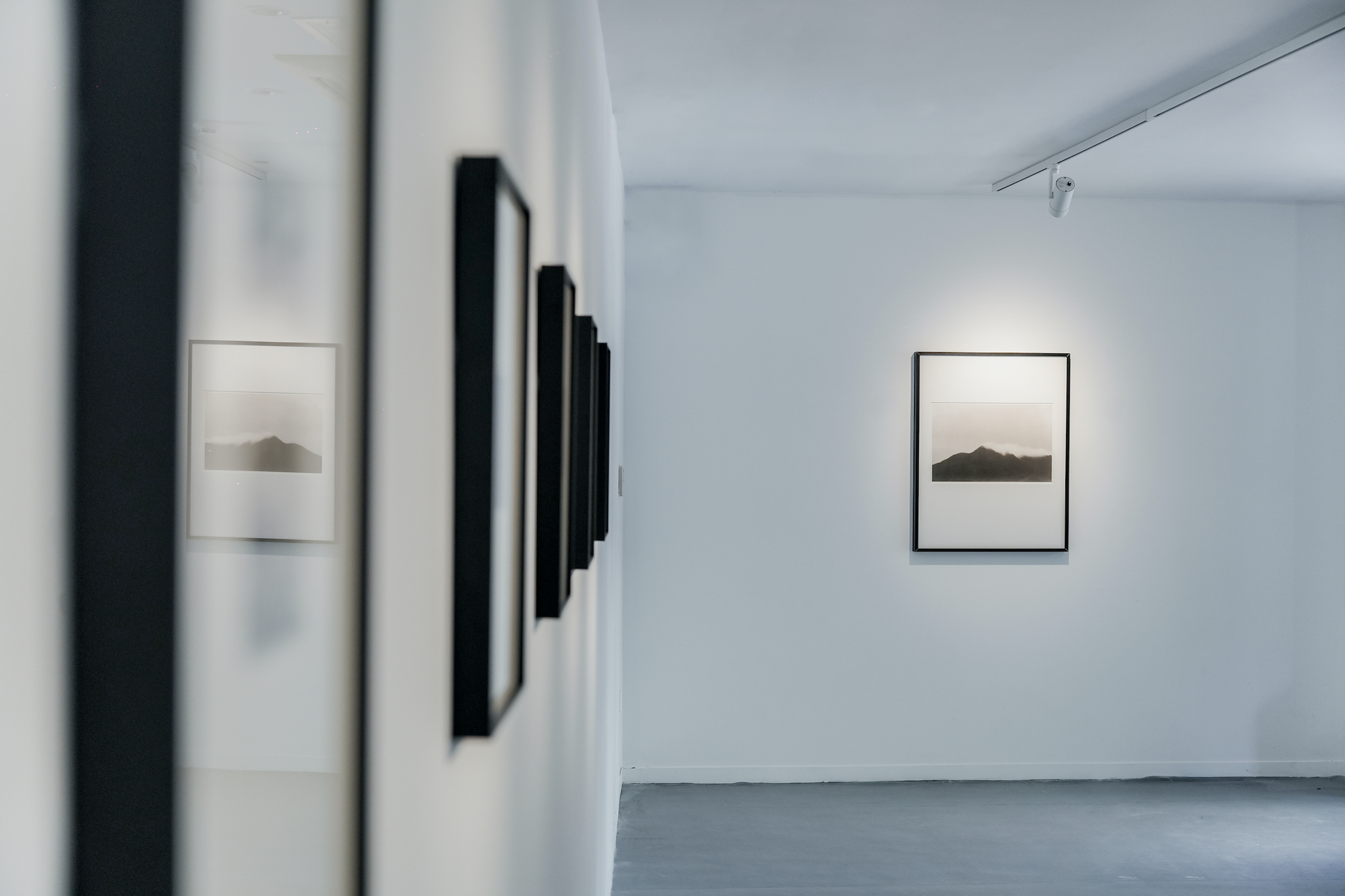
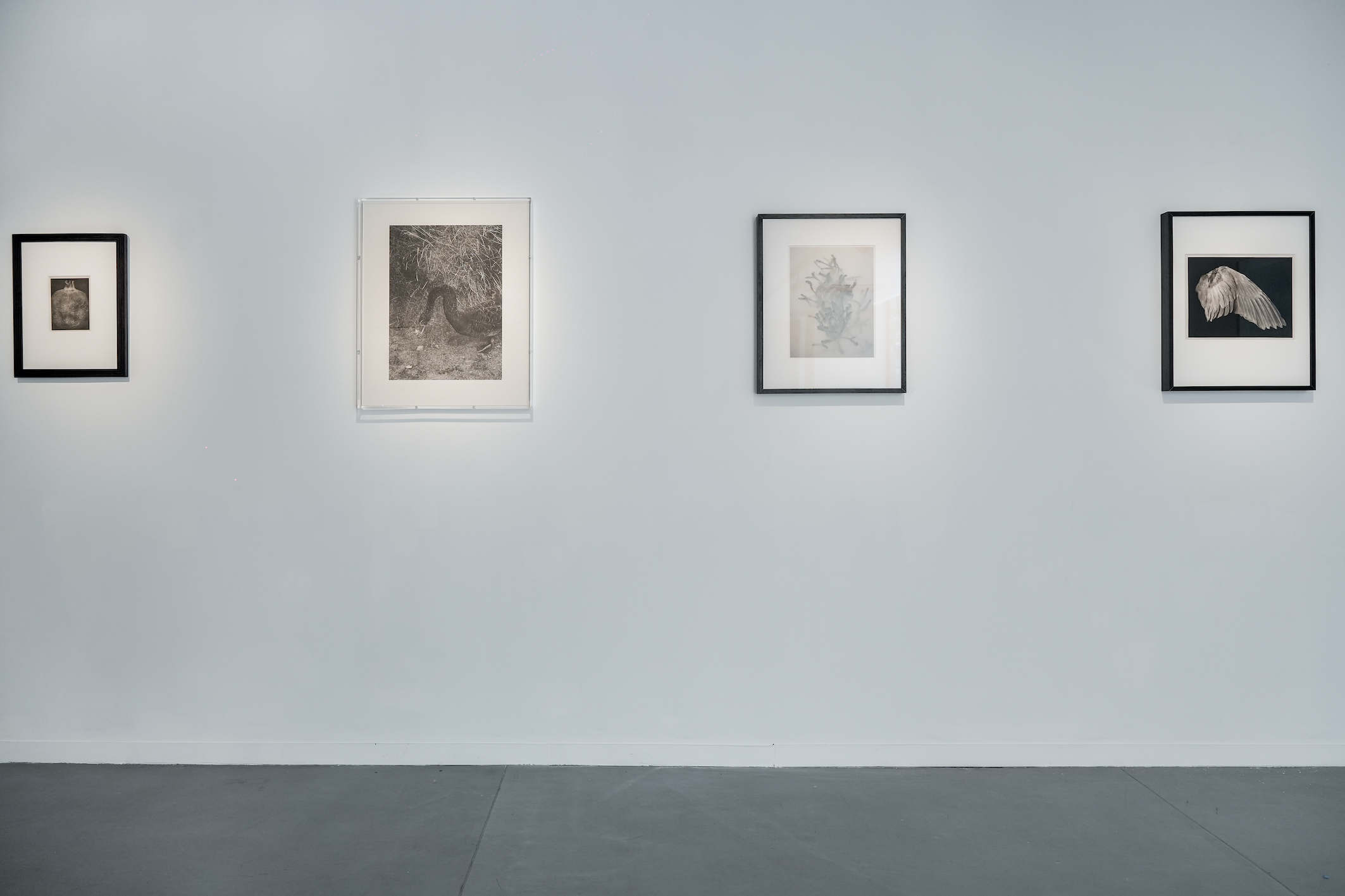
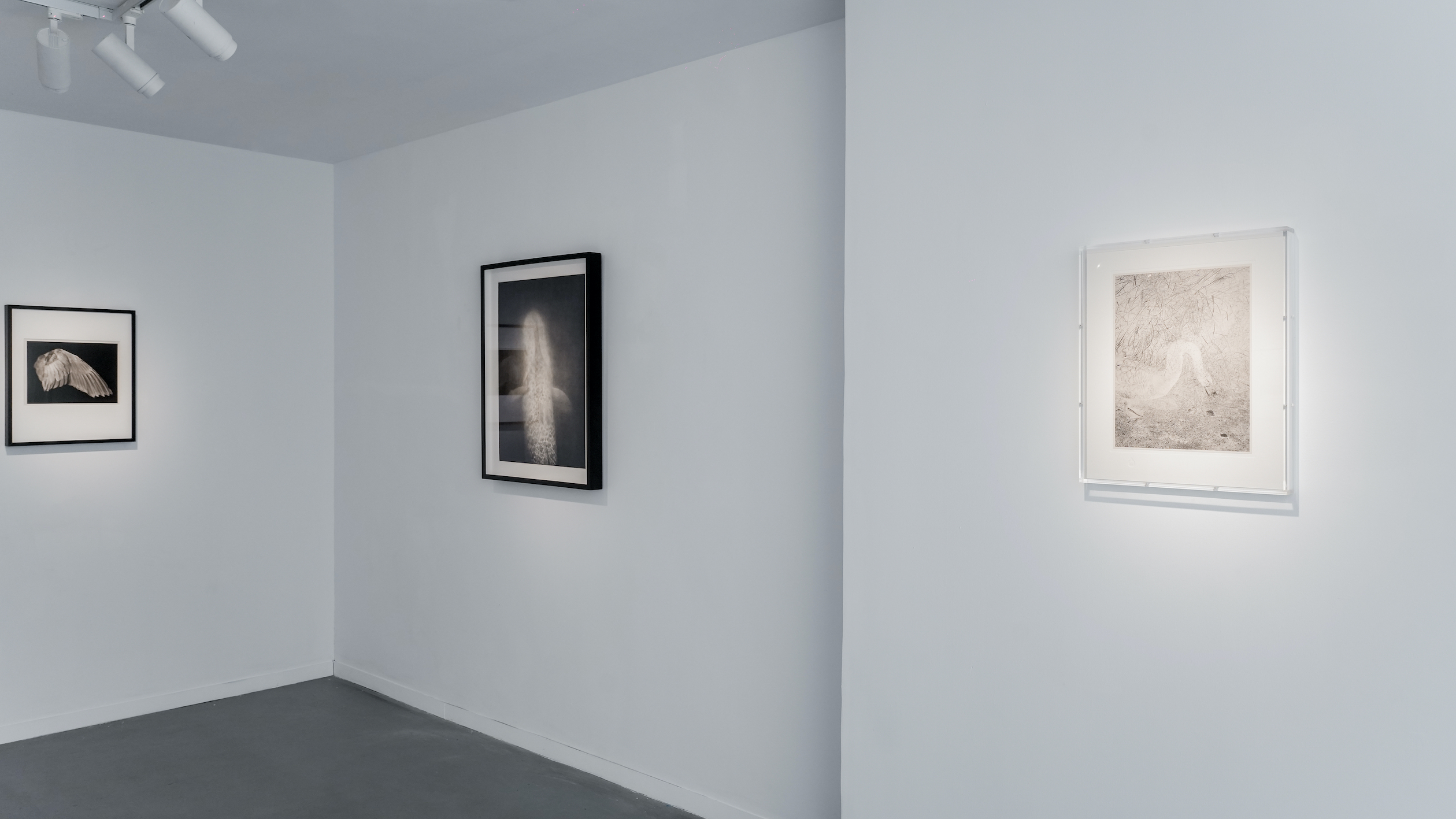
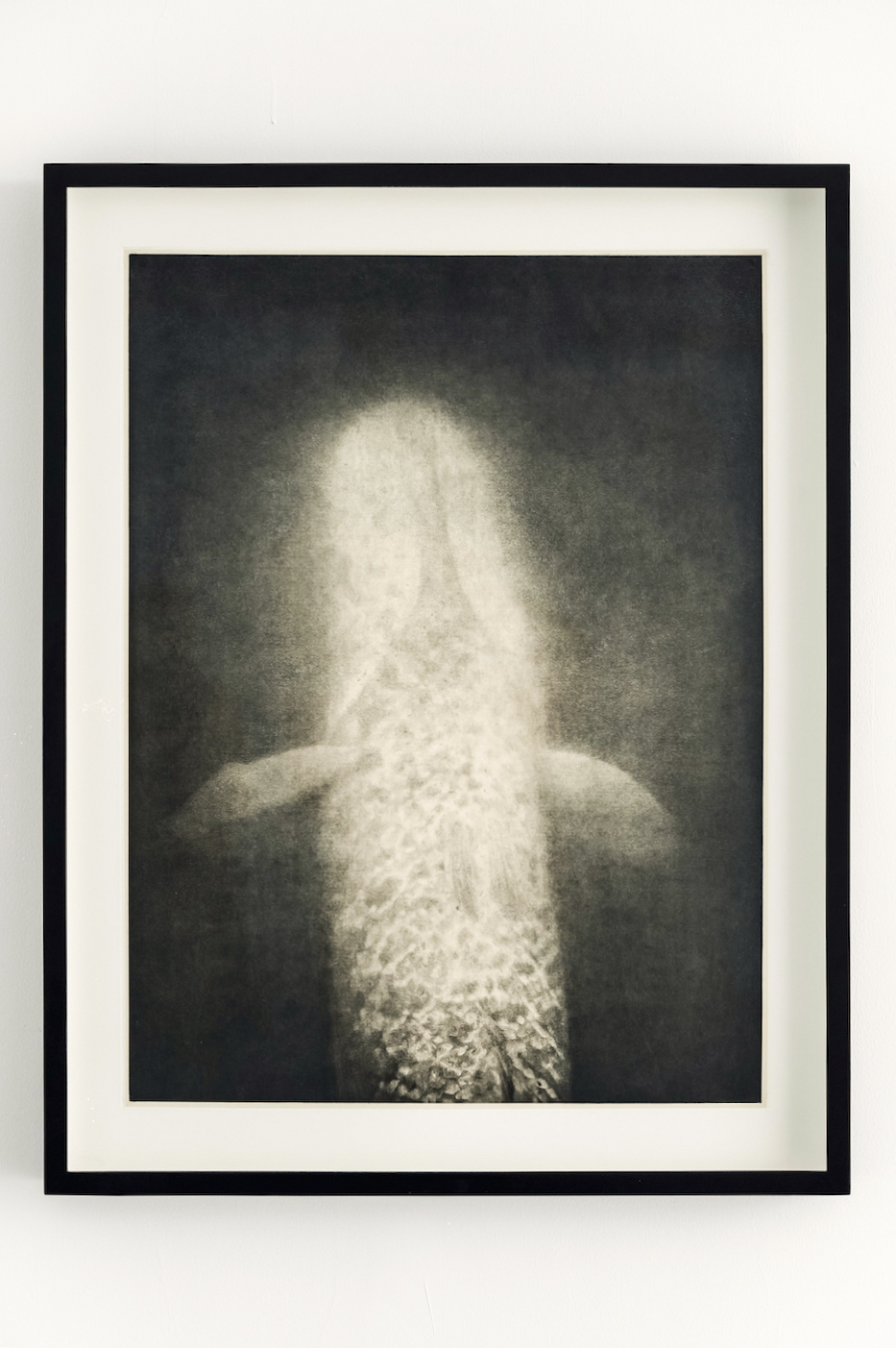
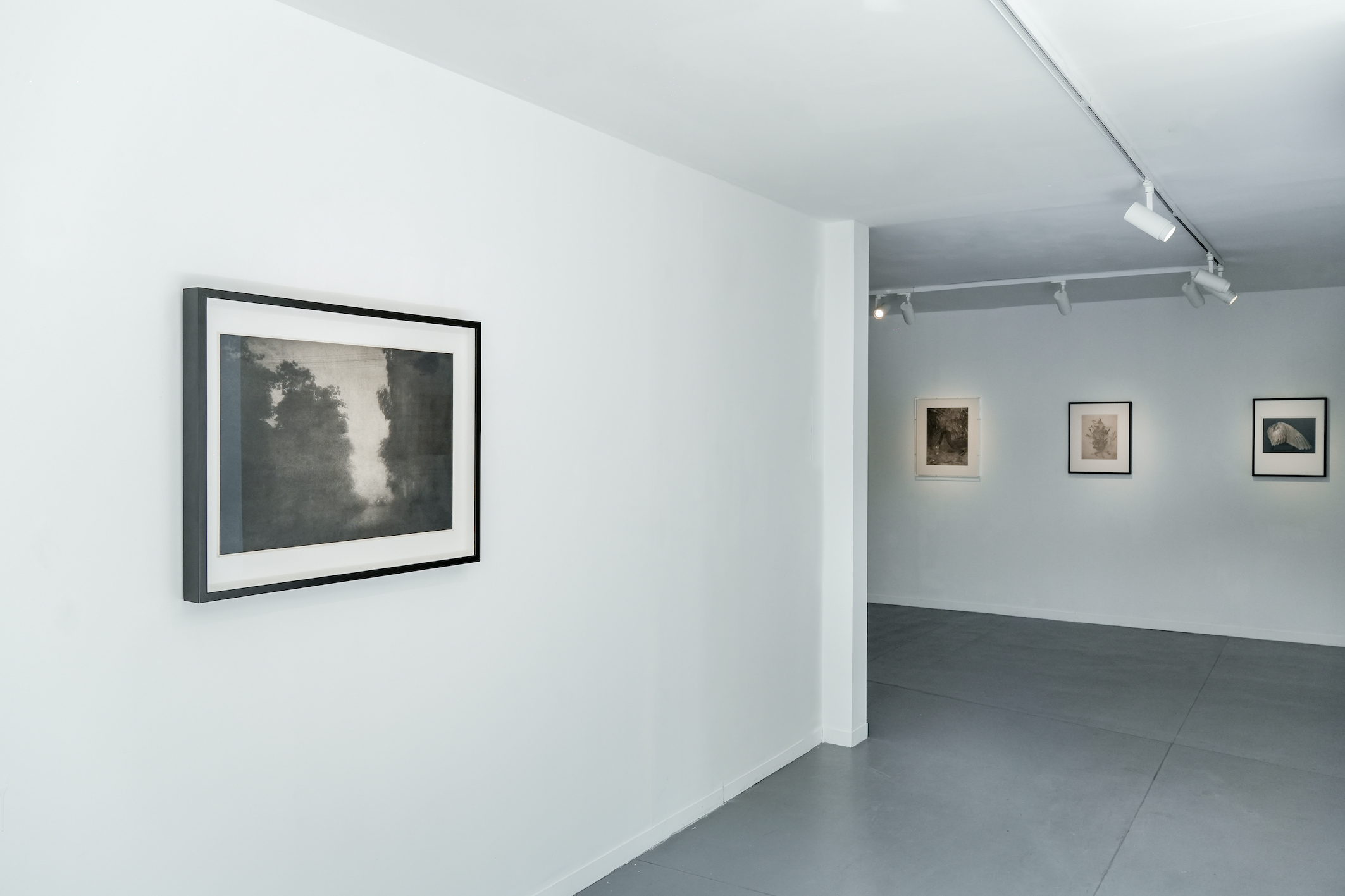
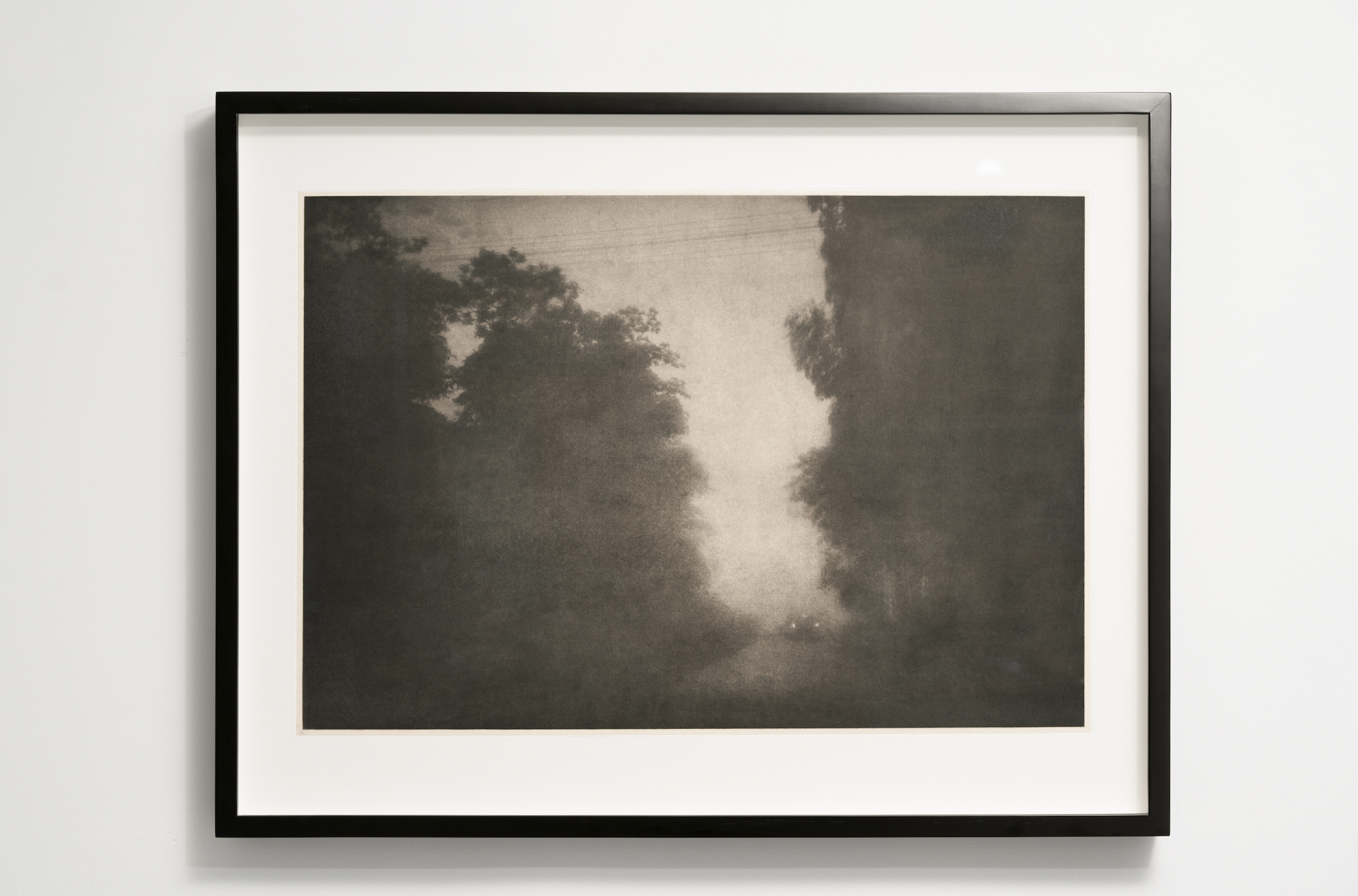
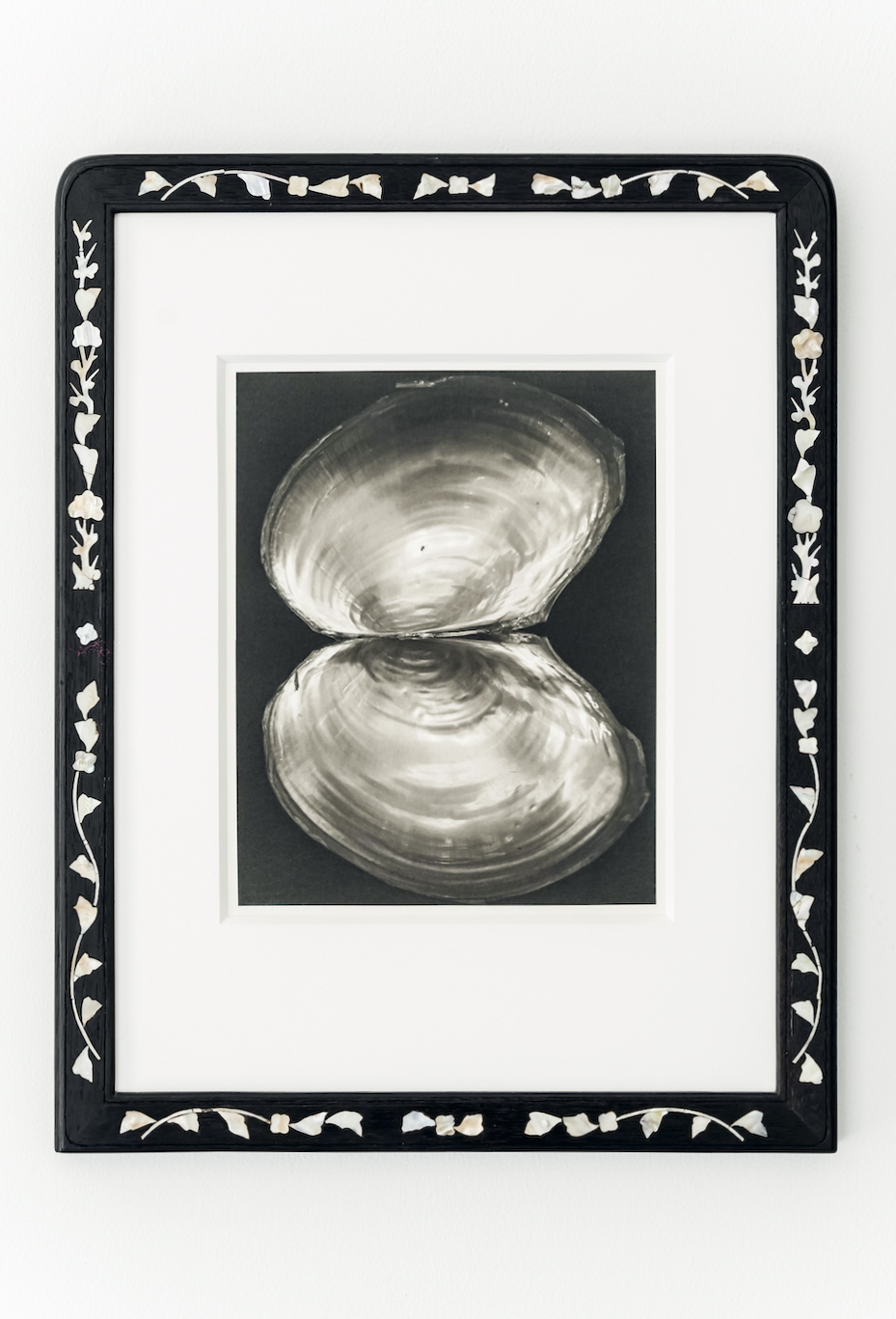
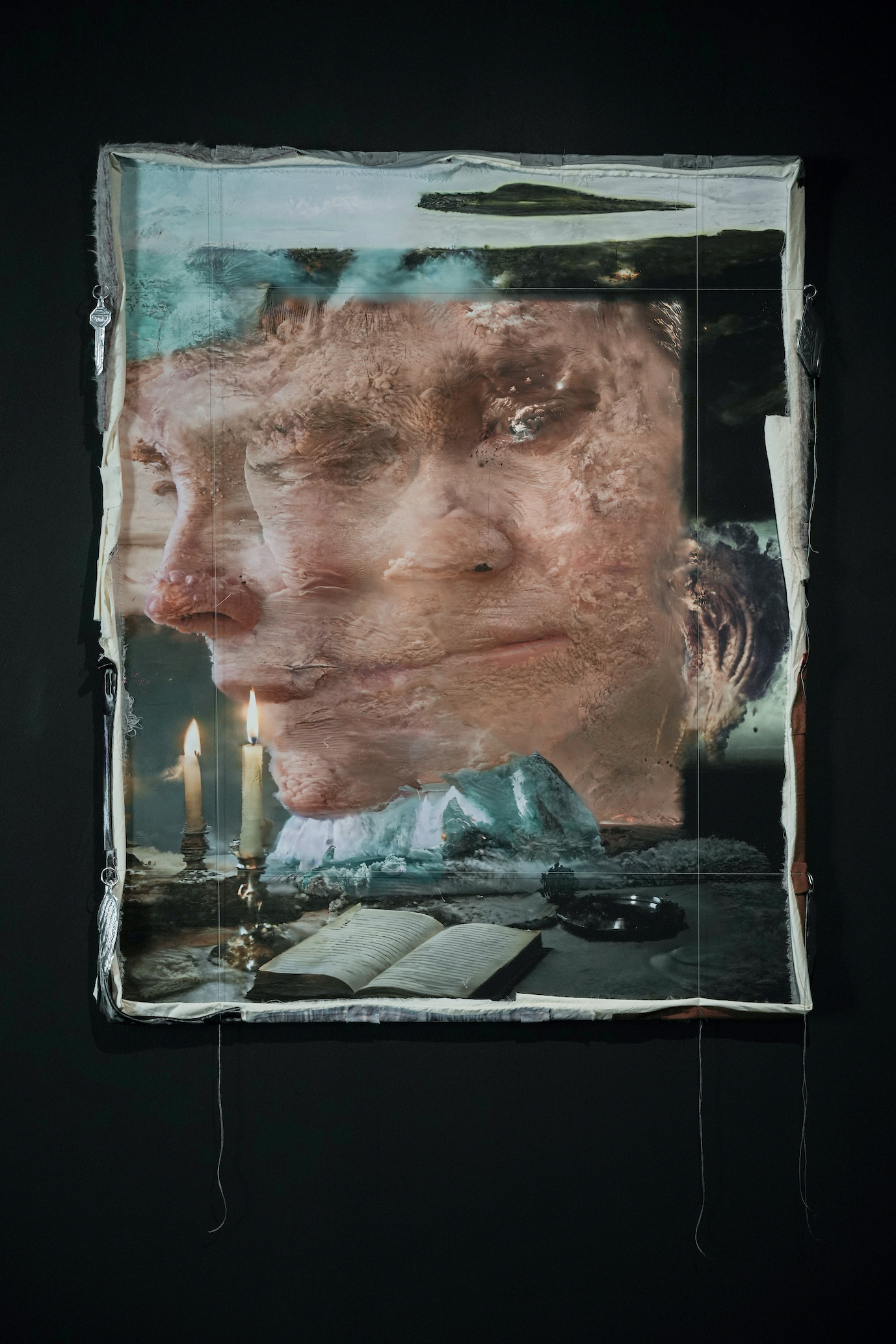
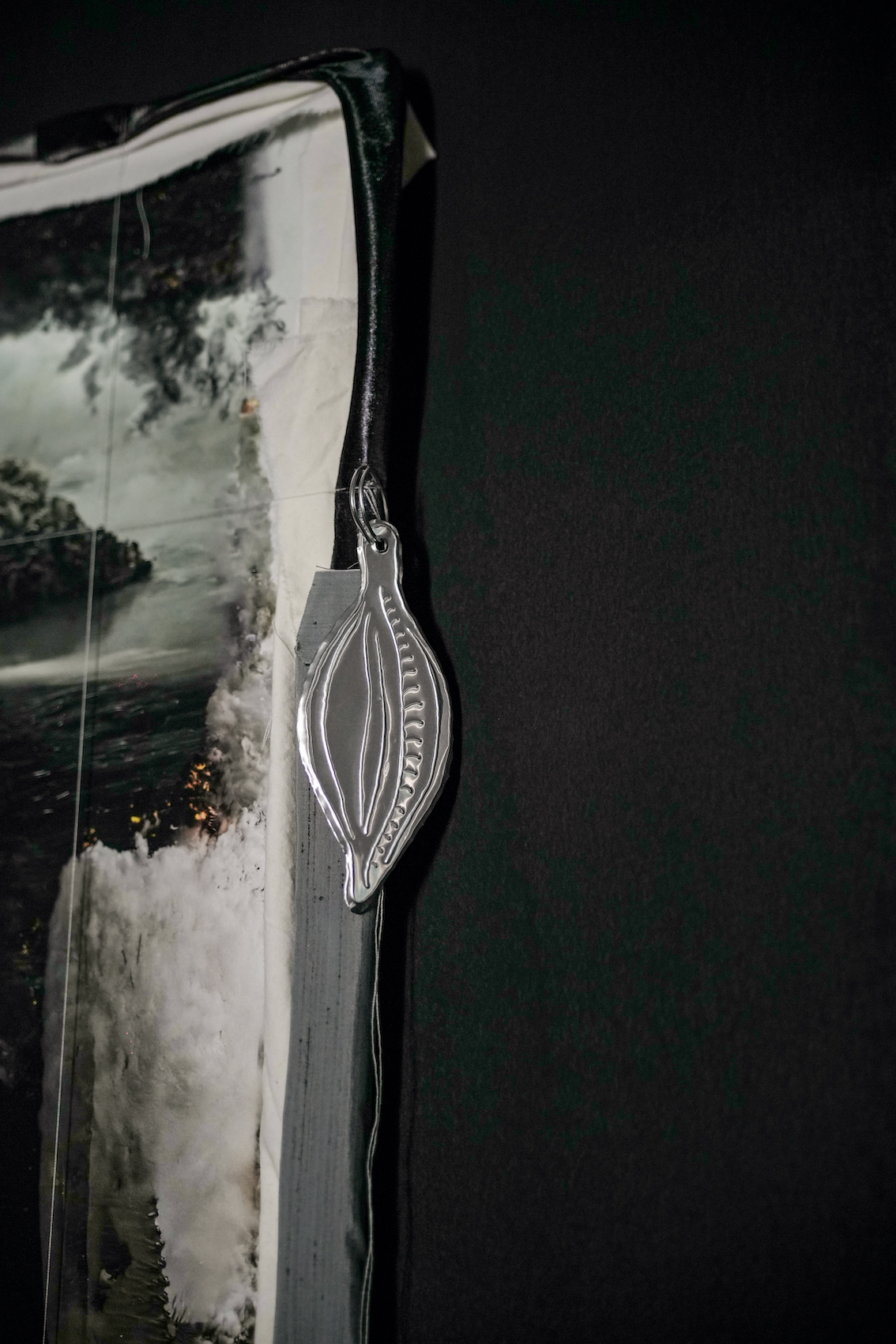
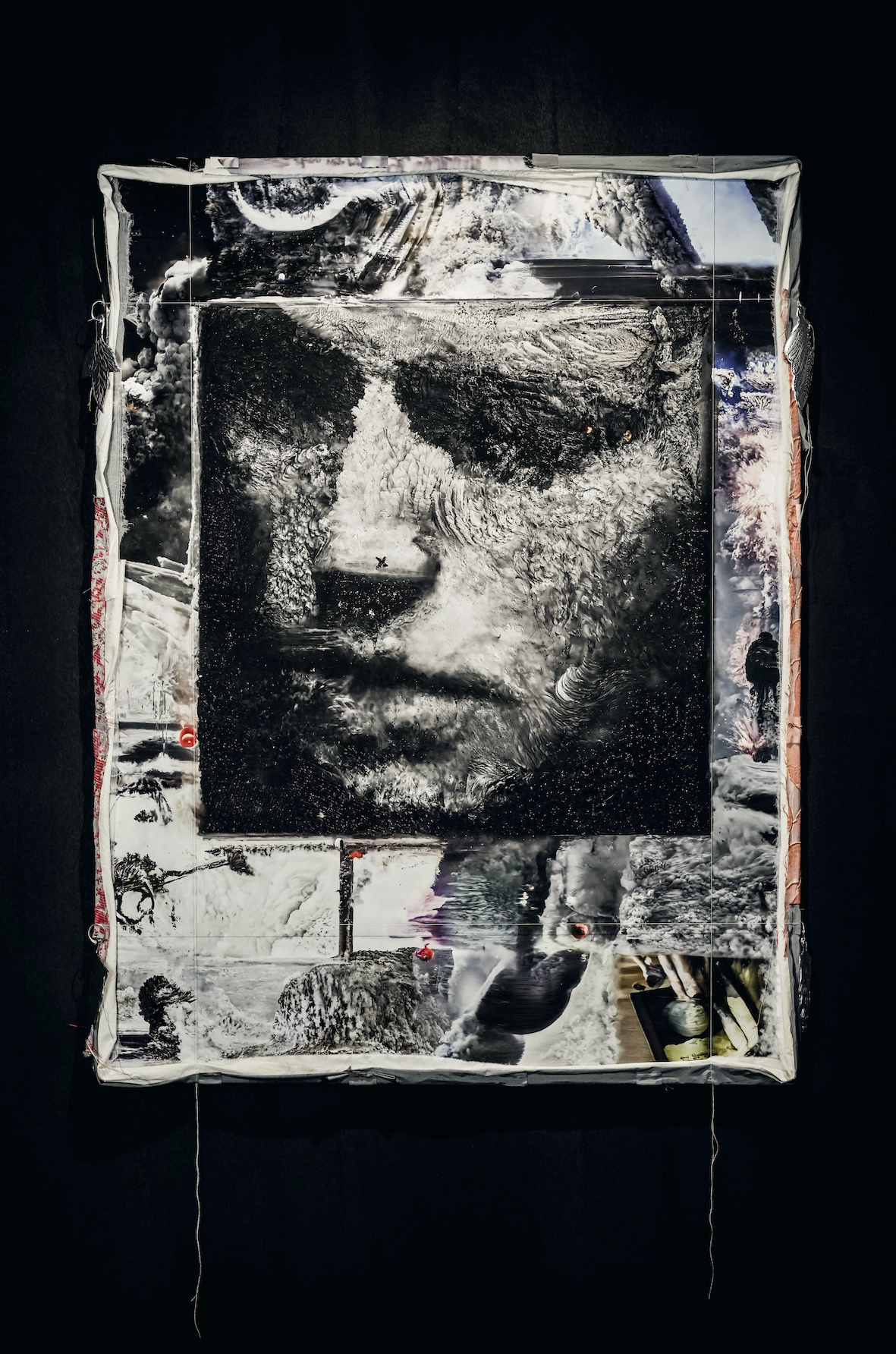
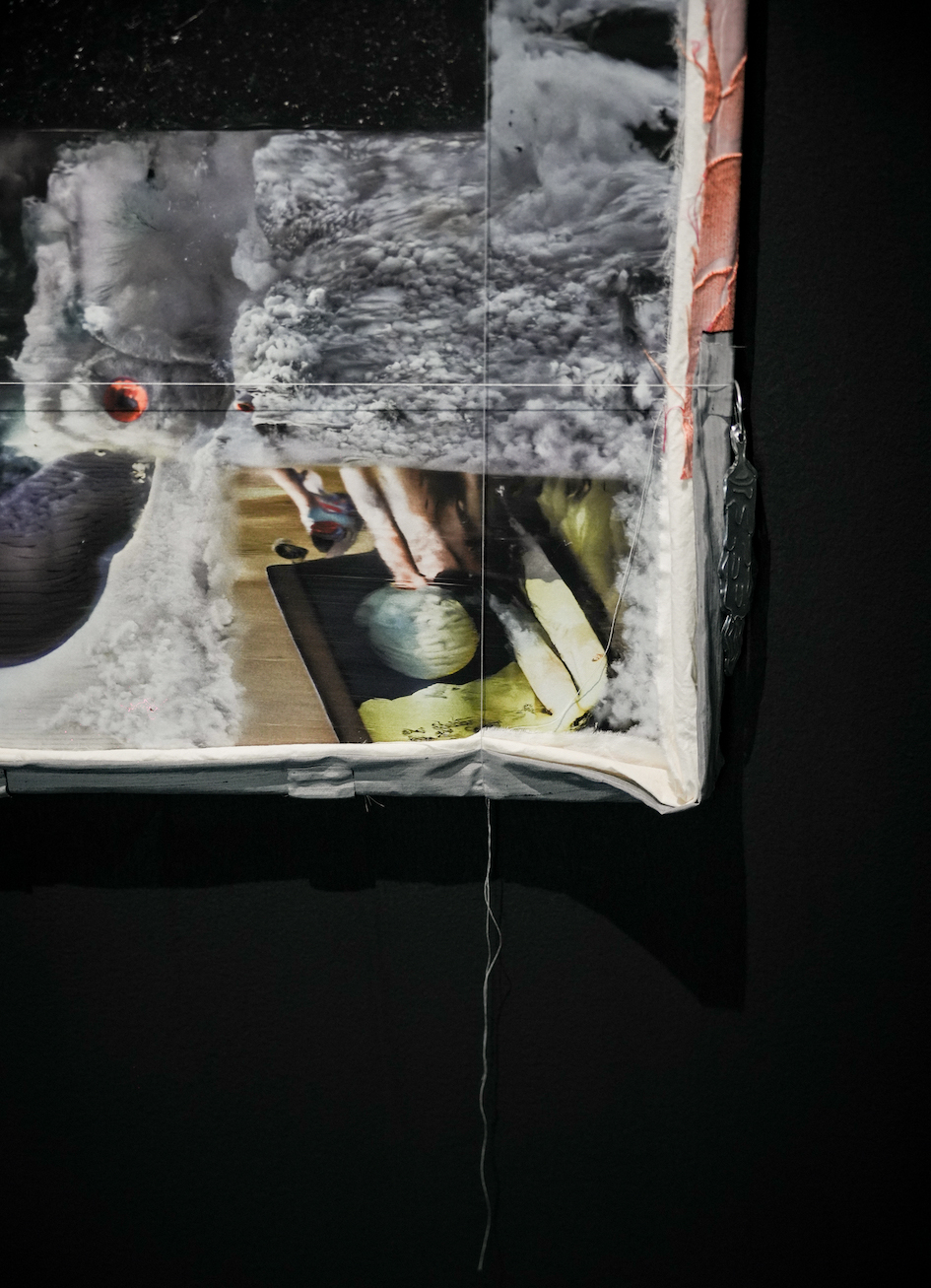
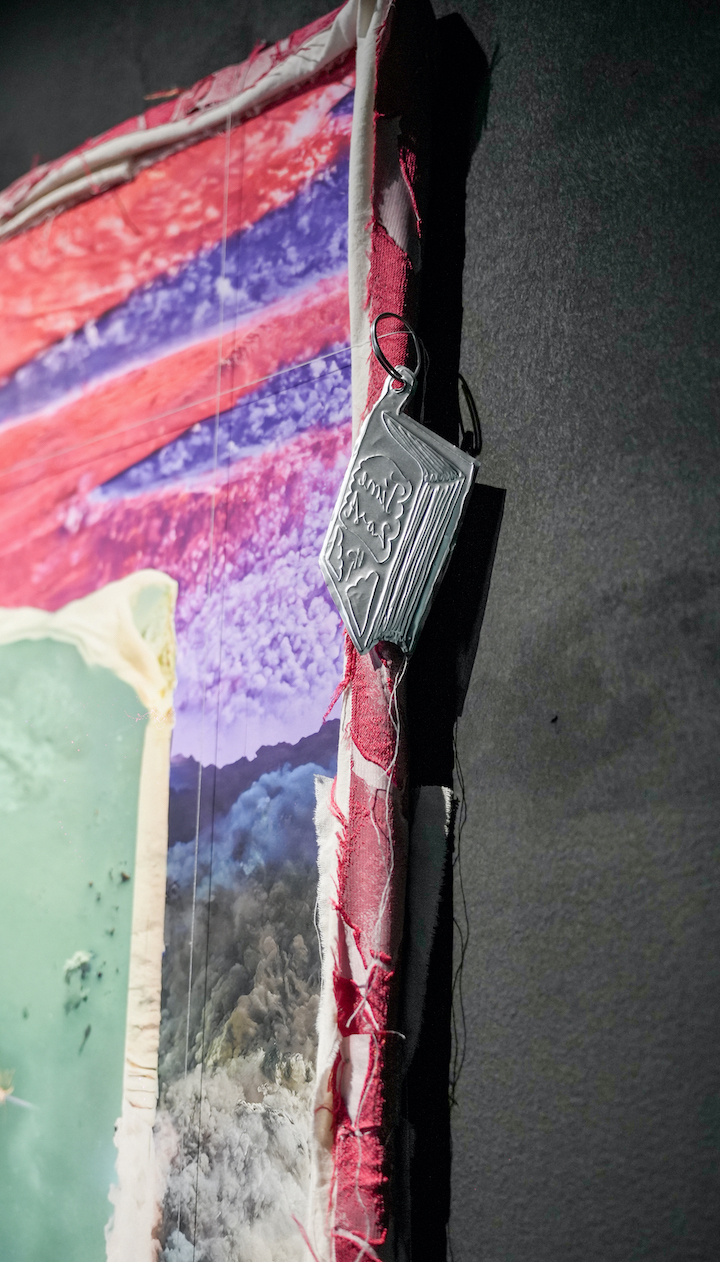
Precisely because of this, what initially made us pause was not the similarity between them, but the state of the images themselves. Whether it is an algorithm-generated image or a scene developed in a darkroom, there is an indescribable resemblance between them—both are just a little bit "off." They are not the kind of images that directly correspond to reality; rather, they seem suspended in a position that hasn't quite settled, exhibiting a slight deviation between clarity and detachment.
This feeling sometimes resembles scenes from memory. It doesn't fix itself in place; every time you look at it, it changes a little. Instead of saying it has been preserved, it is more accurate to say it is constantly being reformed. It is within this kind of viewing experience that these two creative paths, originally unlikely to be paired together, gradually began to connect with each other.
To put the question more directly, they are actually dealing with the same issue: exactly when is an image formed? Is it the moment the shutter is pressed? Is it when the image is generated? Or is it during the subsequent process of constant adjustment, judgment, and even viewing?
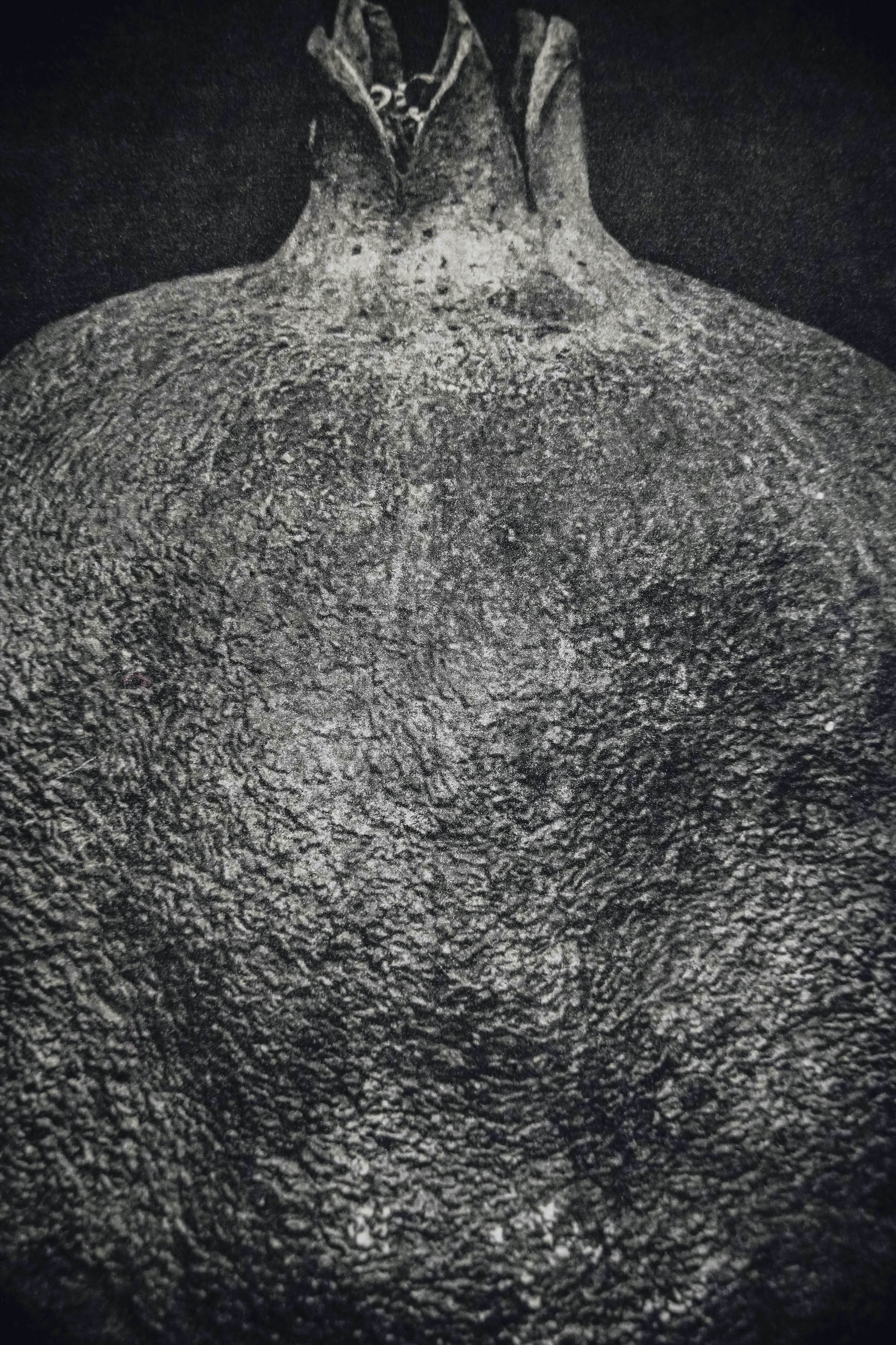
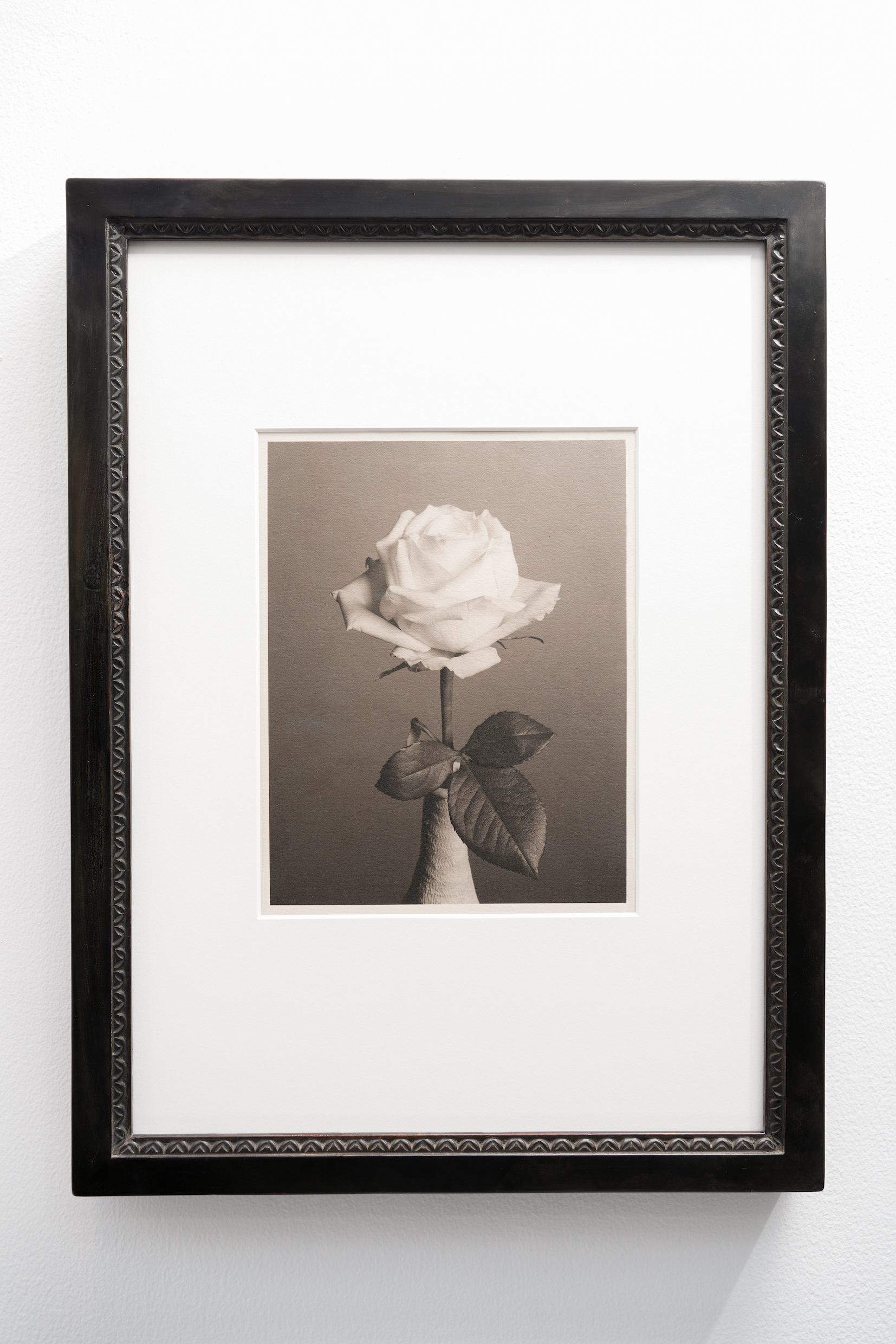
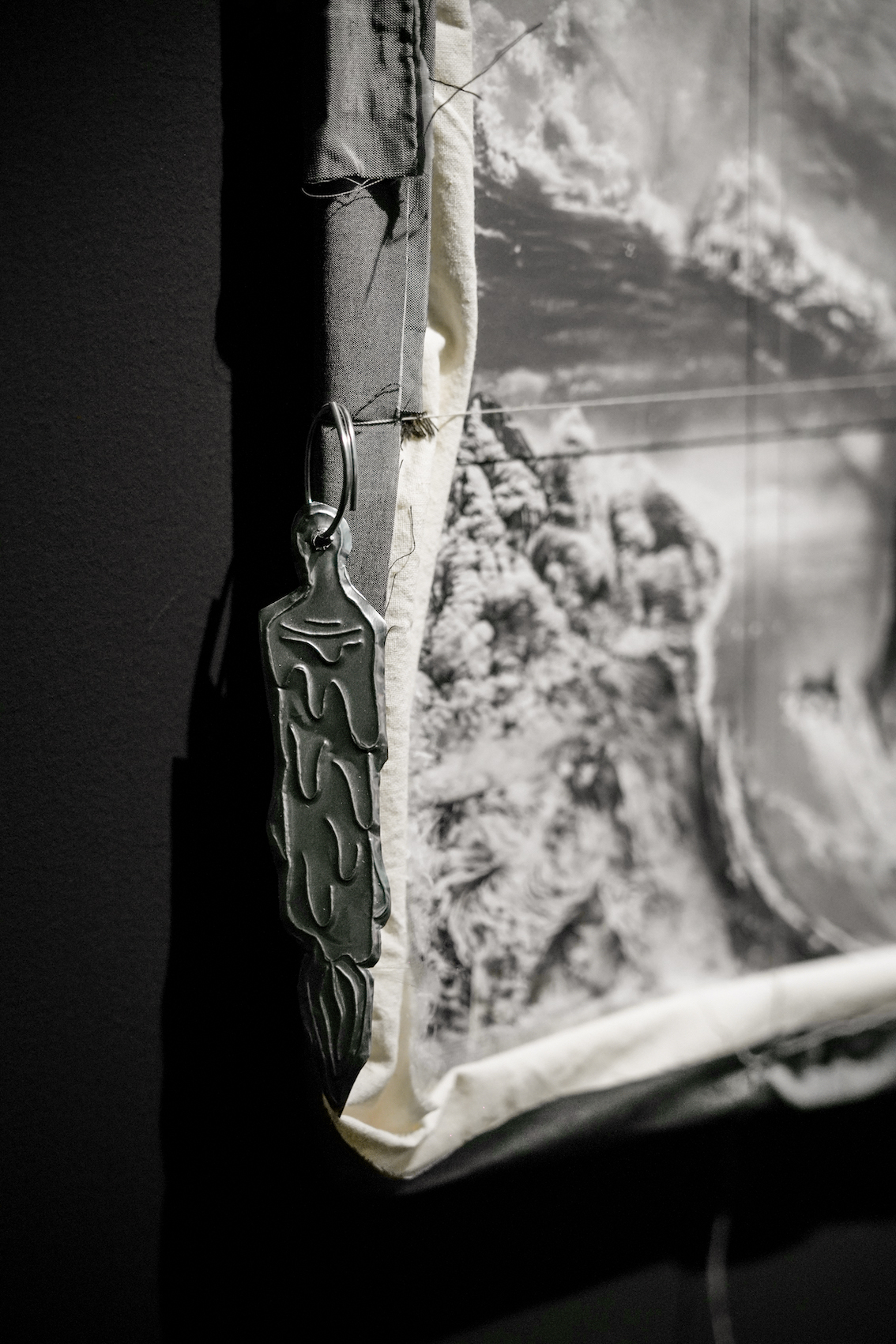
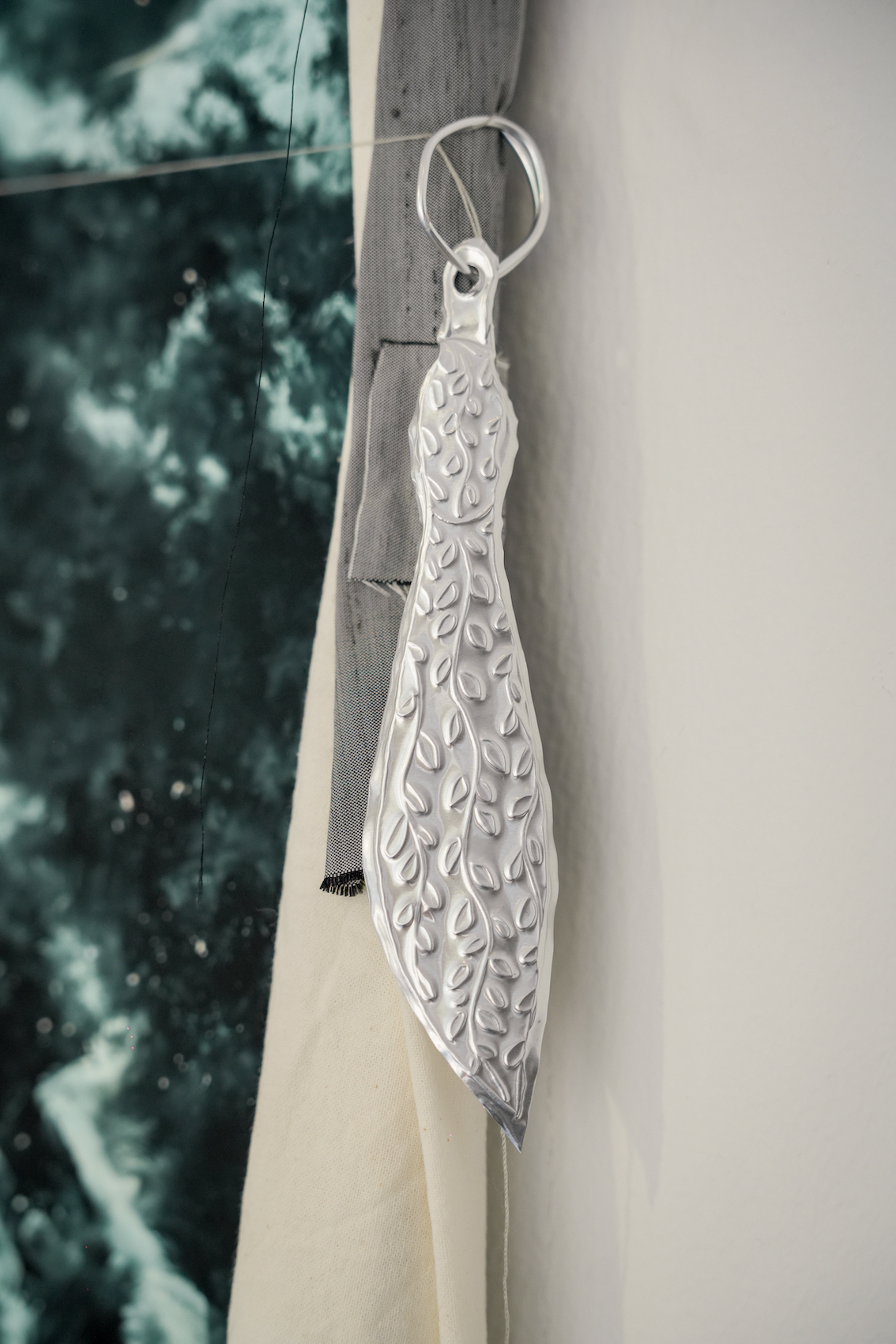
Rather than saying Xu Chao is "taking photos," it is more accurate to say he has always been approaching an image through photography. His work often starts with shooting, but it doesn't end there. He has long utilized traditional photographic processes like silver gelatin, carbon print, and intaglio, letting the image go through a very slow and concrete process in the darkroom. These techniques inherently possess high precision, capable of rendering images highly clear and stable. However, in his works, this clarity does not produce a completely confirmable sense of reality. The details are explicit, yet the whole always carries a slight deviation—as if pointing towards reality without ever truly arriving there. This deviation is actually hard to articulate in a single sentence, but it is always present during viewing. What we see is not merely a world being presented, but an image constantly being modified in the act of being observed.
In other words, for him, the act of shooting is more of a beginning than a completion.