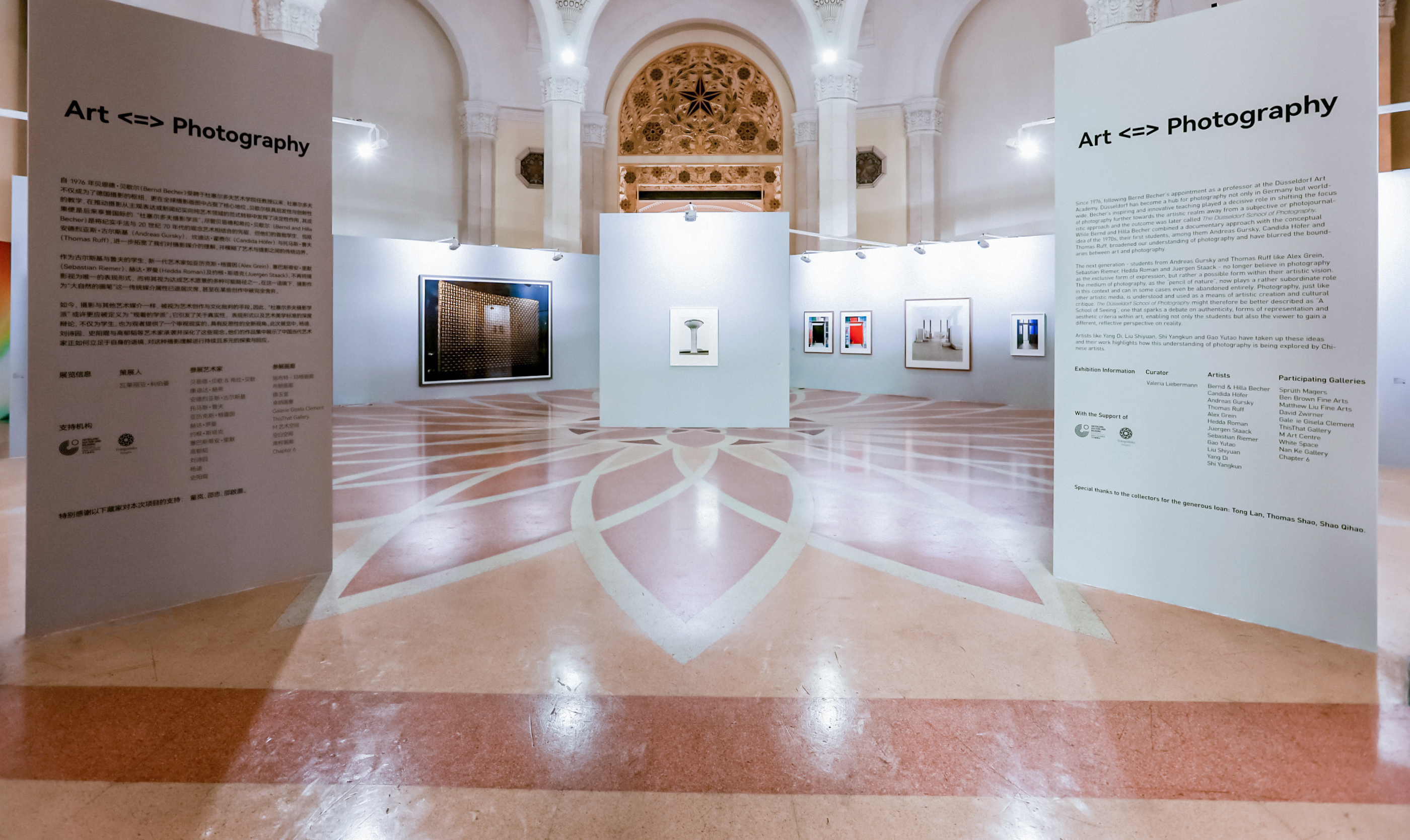
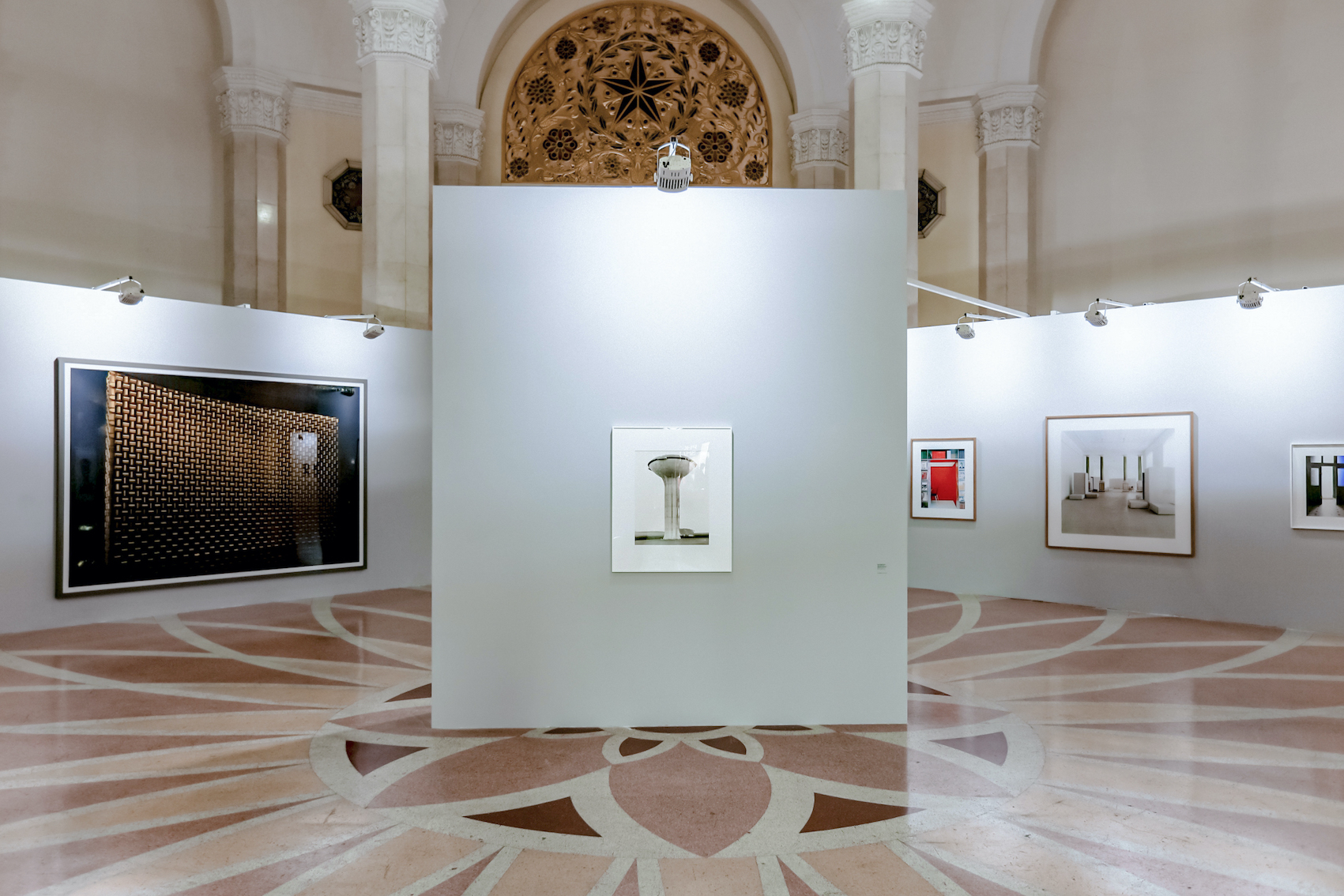
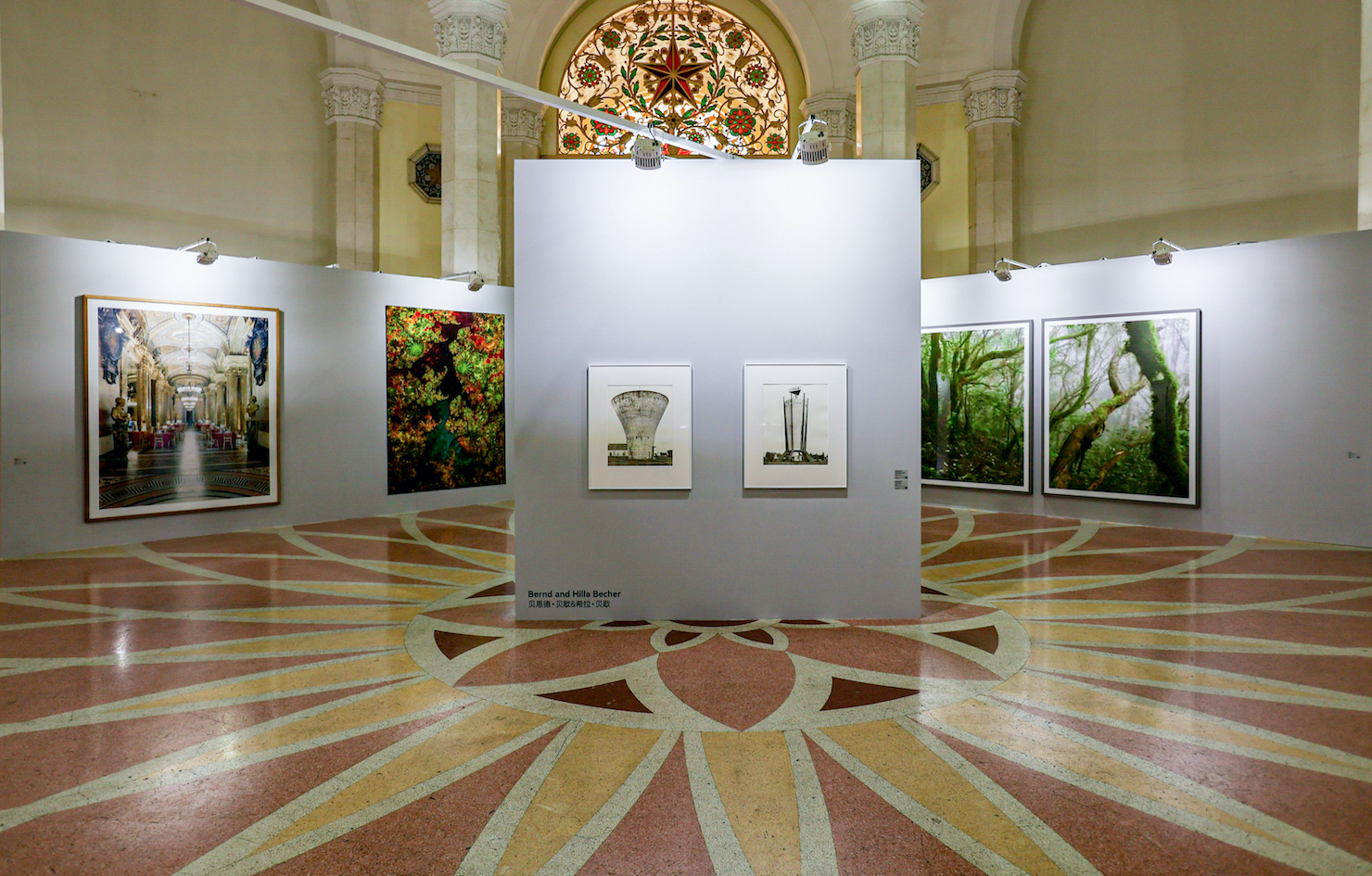
ART <= > PHOTOGRAPHY
Bernd & Hilla Becher
Candida Höfer
Andreas Gursky
Thomas Ruff
Alex Grein
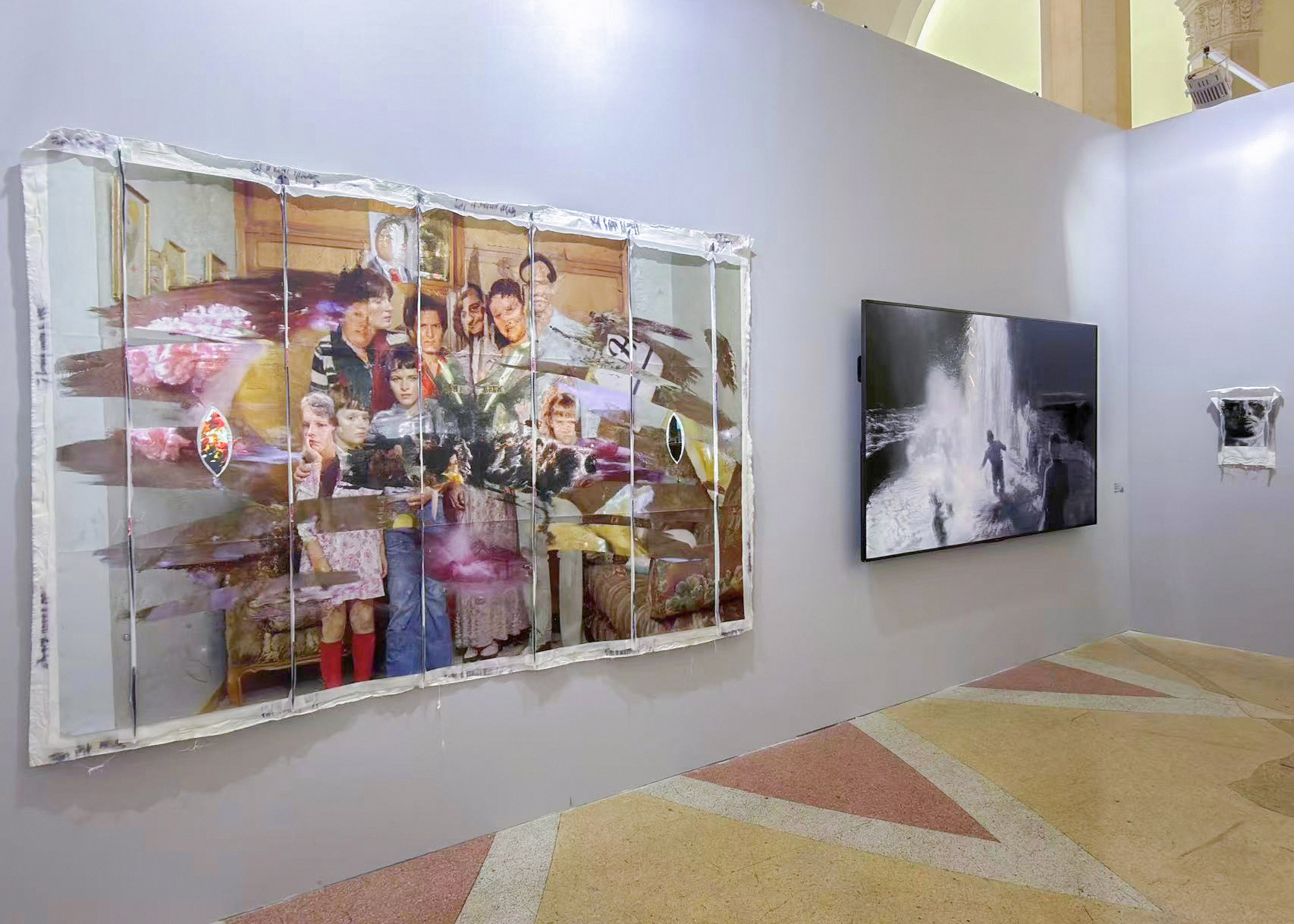
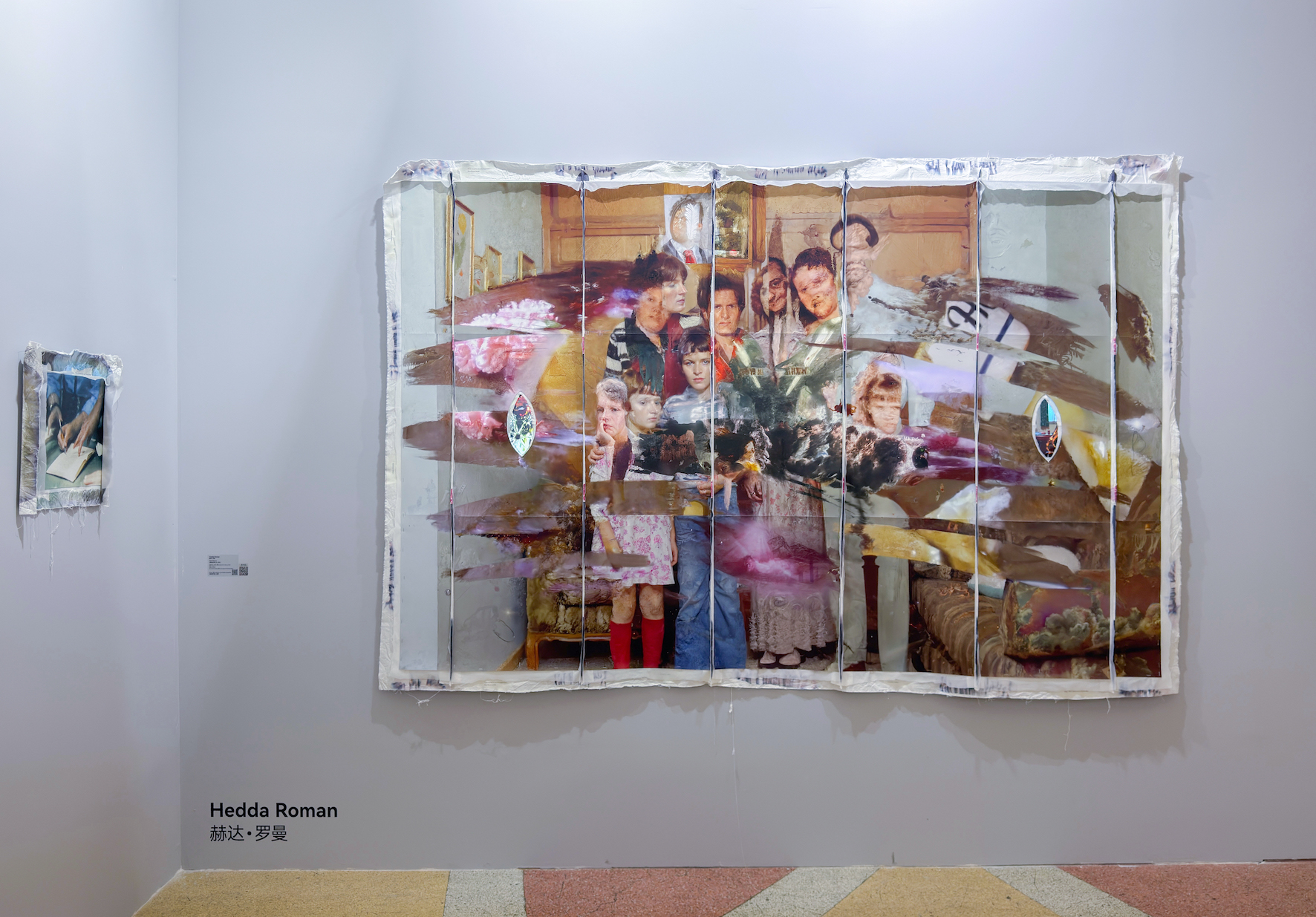
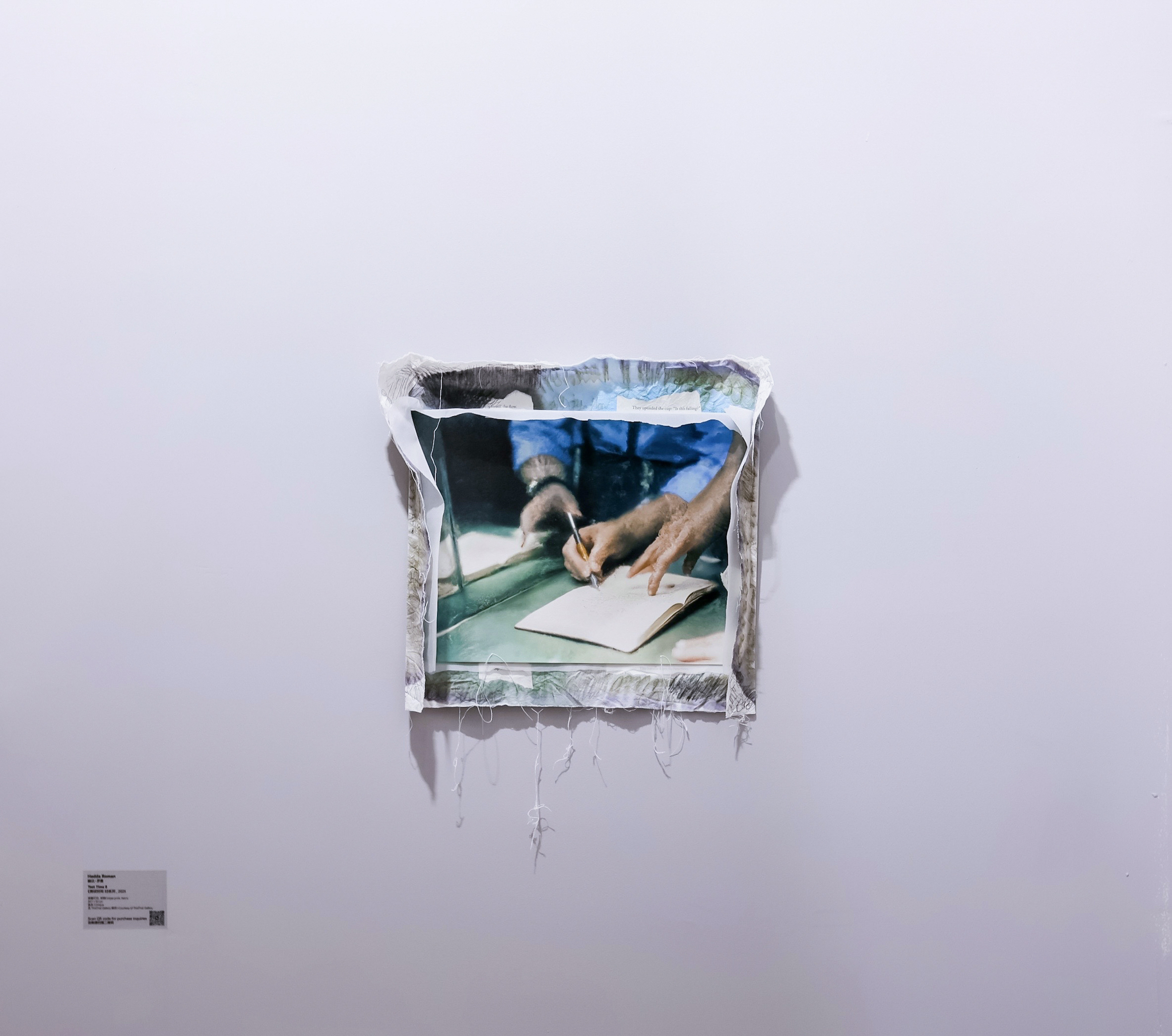
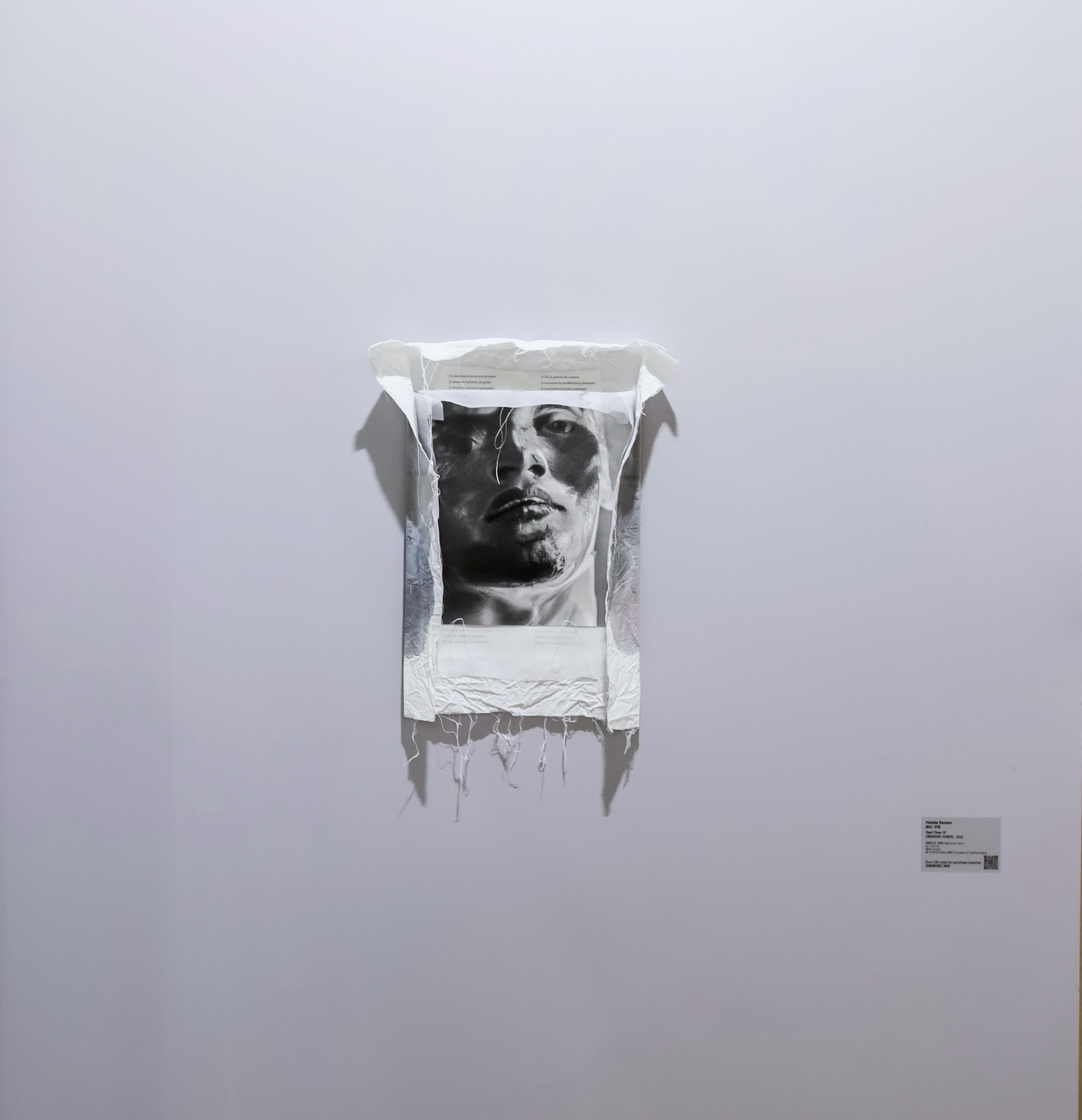
Hedda Roman
Jürgen Staack
Sebastian Riemer
Gao Yutao
Liu Shiyuan
Yang Di
Shi Yangkun
Curator: Valeria Liebermann
May 7 – May 10, 2026
Is there really such a thing as the “Düsseldorf School of Photography”? If so, how should it be defined? Does it primarily refer, as some claim, to a group of photographers who studied under Bernd Becher and Sheila Becher at the Düsseldorf Academy of Art beginning in the mid-1970s, or should it be understood as an artistic attitude and a unique approach to engaging with the medium of photography?
To answer this question, a brief review of the history of the photographic medium is helpful.
In 1826, Nicéphore Niépce took the first known photograph, <View from the window>, foreshadowing a groundbreaking medium of image production that would emerge with the invention of photography. A little over a decade later, in 1839, Louis Daguerre demonstrated a new process he had developed in collaboration with Niépce, known as the “Daguerreotype”; Meanwhile, Henry Fox Talbot, who was also conducting photographic experiments in the 1830s, described it as “photogenic drawing”—a means of depicting natural objects without the “assistance of an artist’s brush.” Consequently, photography was initially viewed as a boon to science, while its status as an artistic medium was met with skepticism. It was not until the first half of the 20th century that a group of photographers, through their unique visual language and specific modes of thought and practice, began to blur the boundaries between photography and art—though photography was still not regarded as an art form equal to painting at that time. After World War II, and particularly from the early 1970s onward, artists began to incorporate photographic elements into their work and to treat photography as a form of artistic expression.
With the Düsseldorf Art Academy’s decision in the mid-1970s to establish a dedicated photography class (intended to stand alongside those for painting, drawing, and sculpture) and the appointment of Bernd Becher as a faculty member, photography officially made its debut as an artistic medium within the academy’s academic system. In 1976, Bernd Becher was appointed Germany’s first professor of (art) photography and, together with his wife Hilla Becher, led the department until his retirement in 1996; their photographic perspective, methods, and working practices brought a novel and far-reaching influence to the academy’s teaching, transforming perceptions of photography as an artistic medium. Their documentary approach—a rigorous adherence to the tradition of German “New Objectivity” from the 1920s—combined with the conceptual spirit of 1970s art had a profound impact on the acceptance of photography as art. In their teaching, Bernd and Hilla Becher placed great emphasis on maintaining a distinction between commissioned work and personal artistic practice and rejected both subjective photography and photojournalism in artistic creation. However, the academy did not offer training in photographic techniques or subject matter; instead, students were encouraged to turn their gaze toward reality and engage in a dialogue with the works of contemporary (photographic) artists without blindly imitating them. The core of the teaching lies in a strong sense of ownership over one’s own work and in the continuous, rigorous, and serious exploration of self-chosen themes. This artistic approach and pedagogical model influenced an entire generation of students and gave rise to a group of artists who are now internationally renowned—including Andreas Gursky, Candida Höfer, and Thomas Ruff—who, though repeatedly labeled as “Becher’s students,” are each highly individual artistic figures with distinct bodies of work and diverse, often even opposing, concepts.
Clearly, this artistic path—establishing photography as an independent art form that neither degenerates into mere visual reproduction nor becomes overly dependent on illusionistic painting—shaped a generation. In this sense, the “Düsseldorf School” is not merely a stylistic concept but a programmatic commitment to a specific working method: that of presenting reality in a serialized and often documentary manner through carefully composed frames, precise exposure and shutter speed choices, and meticulous post-production.
Andreas Gursky (who taught from 2010 to 2018) and Thomas Ruff (who taught from 2000 to 2006) likely inherited this teaching method from Bernd and Hilla Becher—namely, granting students maximum freedom while guiding them toward core issues and encouraging them to focus on the essence of the image. A new generation of young artists emerged from their classes—represented in this exhibition by Alex Grein, Sebastian Riemer, Hedda Roman, and Jürgen Staack—who have broken new ground in their approach to the medium of photography and image-making, challenging our perceptions. Furthermore, Gursky and Ruff encouraged students to participate in symposia and exhibit their work alongside other artists within the academy, as they firmly believed that artistic practice and attitude should take precedence over the medium used. In this spirit, the academy provided students with an interdisciplinary environment where photography could coexist and be measured against graphic design, painting, printmaking, and sculpture, thereby enabling a theoretical exploration of the medium that transcended purely technical interests.
A core tenet of the “Düsseldorf School” is the in-depth exploration of photography as an autonomous form of expression and art, placing it on equal footing with other art forms. The first generation of artists associated with the “Düsseldorf School of Photography” sought compositional clarity, geometric structures within the frame, and an objective depiction of objects and space. Their subjects ranged from architectural landscapes and portraits to documentary depictions of everyday urban life. However, beyond its documentary function, the aesthetic dimension plays a significant role: light and shadow, texture, and spatial depth are employed as independent compositional tools, combining realistic qualities with analytical approaches. Their works often adopt a digital analytical perspective, aiming to sharpen the viewer’s vision and cultivate their understanding. Furthermore, they shift the spectrum of expression toward a profound, often conceptually analytical visual order, focusing on the observation of series, structures, and spatial contexts. The current generation of artists continues this rigorous analytical approach while further distancing themselves from the purely photographic image—viewing it as the result of a creative process in which new perspectives on global interconnectedness and media reflection play a significant role. In this context, photography’s role as a medium serving as the “pen of nature” is relatively diminished and, in some cases, can even be entirely discarded. Like other artistic media, photography is understood and employed as a means of artistic creation and cultural critique.
Consequently, the “Düsseldorf School of Photography” might be better described as a “school of seeing,” one that sparks debates on authenticity, modes of expression, and aesthetic standards within art, offering not only students but also viewers a distinct, reflective perspective on reality. Or, to put it another way, it is a school where “students can try anything except fooling around”—one that grants the utmost freedom to artistic creation while maintaining absolute seriousness.